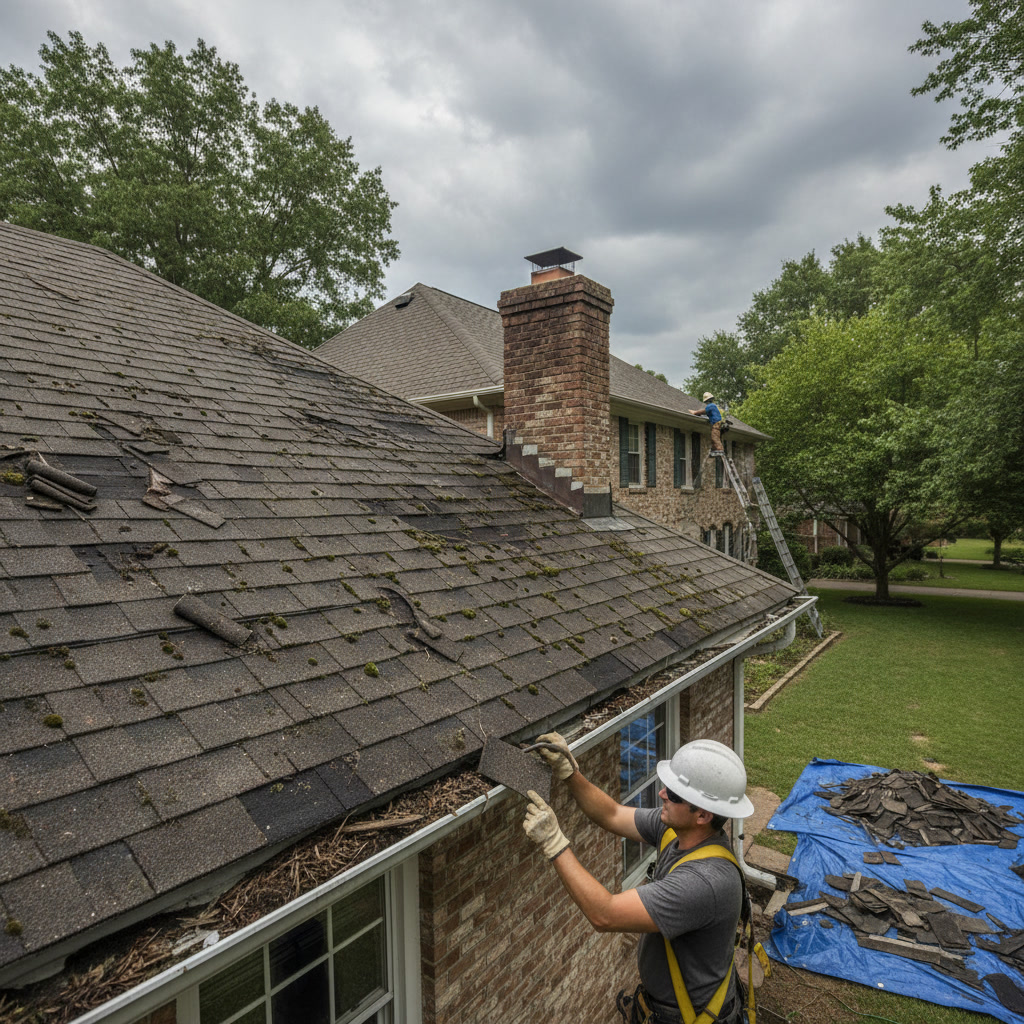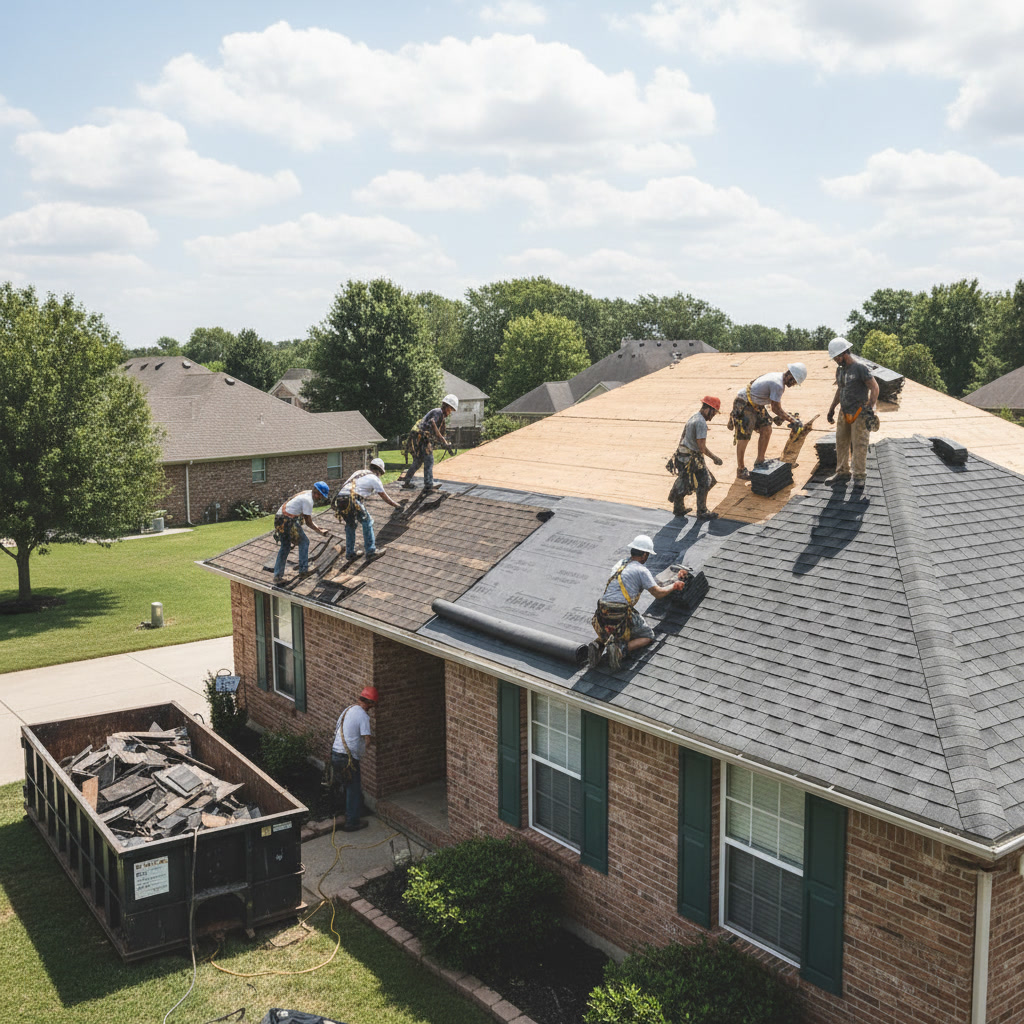

A professional roofing consultation provides homeowners with a detailed assessment of their roof’s condition, accurate cost estimates, and expert recommendations. Understanding what happens during the roofing consultation process helps you prepare questions, compare proposals effectively, and make confident decisions about your home’s protection. Most consultations take 45 to 90 minutes and include exterior inspection, attic examination, material discussions, and written documentation of findings.
Why Professional Roof Assessments Matter More Than Quick Estimates
Many homeowners assume all roofing estimates are identical, but the quality of assessment varies dramatically. A thorough evaluation identifies hidden problems that affect project scope and long-term performance. Contractors who skip attic inspections or spend less than 30 minutes on site often miss critical issues like inadequate ventilation, damaged decking, or structural concerns that surface mid-project.
Accurate assessments prevent surprise costs and project delays. When contractors discover rotted wood or code violations after tearing off your existing roof, you face difficult decisions under pressure. Comprehensive upfront evaluations document these conditions before work begins, allowing you to budget appropriately and understand the full scope of necessary repairs.
Preparing Your Home and Questions Before the Appointment
Simple preparation makes consultations more productive and ensures you get complete information. Clear access to all sides of your home allows inspectors to examine every roof section. Move vehicles from driveways, secure pets indoors, and trim vegetation blocking roof edges. Inside, ensure attic access is clear and safe to navigate.
Prepare a list of specific concerns you’ve noticed. Document leaks, stains, missing shingles, or areas where you’ve made temporary repairs. Note when problems occur, whether during heavy rain, wind-driven storms, or ice dams. This information helps contractors focus on problem areas and determine whether targeted repairs might suffice or if you’re experiencing symptoms that indicate you need a complete replacement.
The Exterior Inspection Component
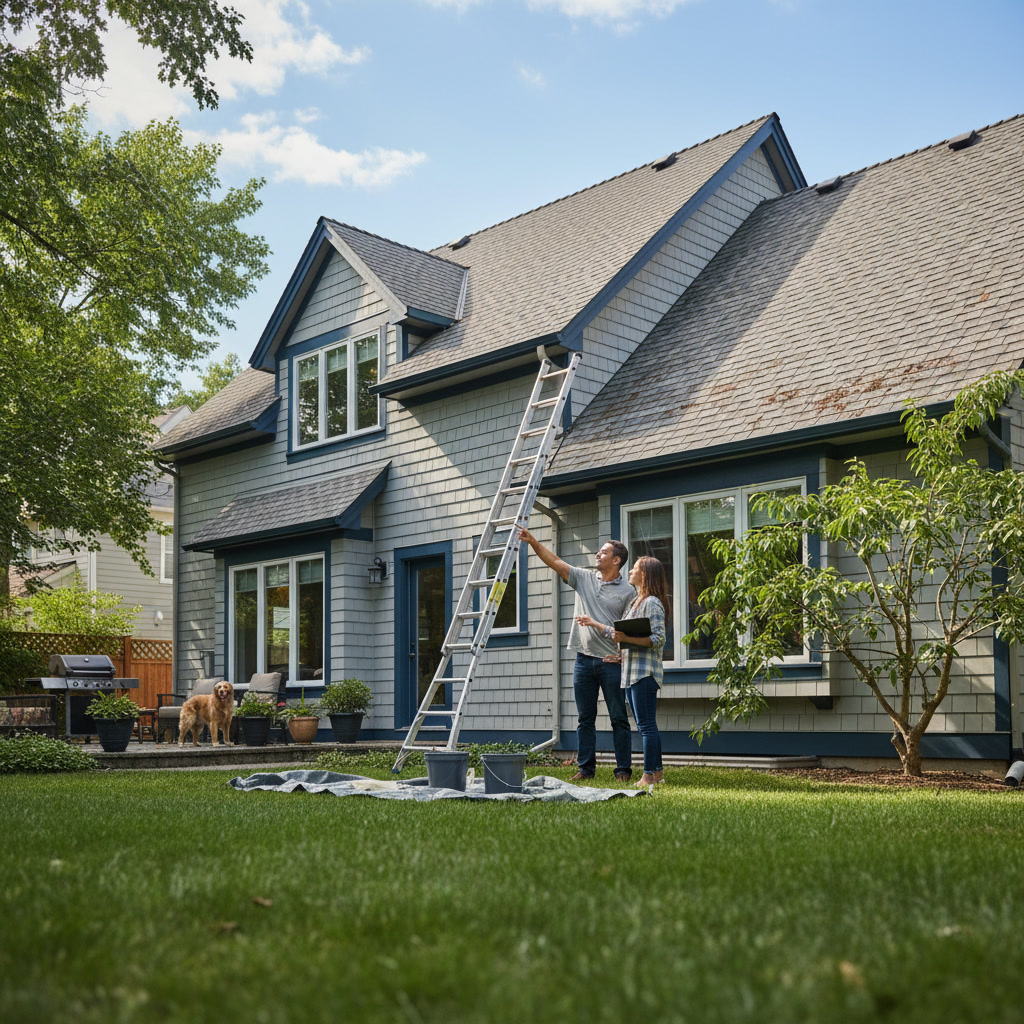
Qualified contractors examine your roof from multiple vantage points, starting at ground level with binoculars before climbing ladders for closer inspection. They document shingle condition, checking for curling, granule loss, cracking, and proper sealing. Flashings around chimneys, vents, and wall intersections receive special attention since these areas cause most leaks.
Inspectors measure roof pitch, calculate square footage, and count layers of existing materials. Pitch affects material selection and labor costs, while multiple layers may require complete removal rather than overlay installation. They examine gutter systems for proper drainage, noting whether water management issues contribute to roof problems or require coordinated solutions.
Inside Assessment Through Attic Examination in Gloucester Township Homes
The attic reveals what exterior inspections cannot. Contractors look for daylight penetrating through the roof deck, water stains on rafters and decking, inadequate or damaged insulation, and ventilation deficiencies. These observations identify active leaks, past water intrusion, and conditions that shorten roof lifespan.
Ventilation assessment proves particularly important in Gloucester Township climate conditions. Proper airflow prevents moisture accumulation that rots decking and reduces shingle life by years. Inspectors measure intake and exhaust vent ratios, checking whether your current system meets building codes. Many older homes lack adequate ventilation, a condition that must be corrected during roof replacement to validate manufacturer warranties.
Material Selection Discussion and Options
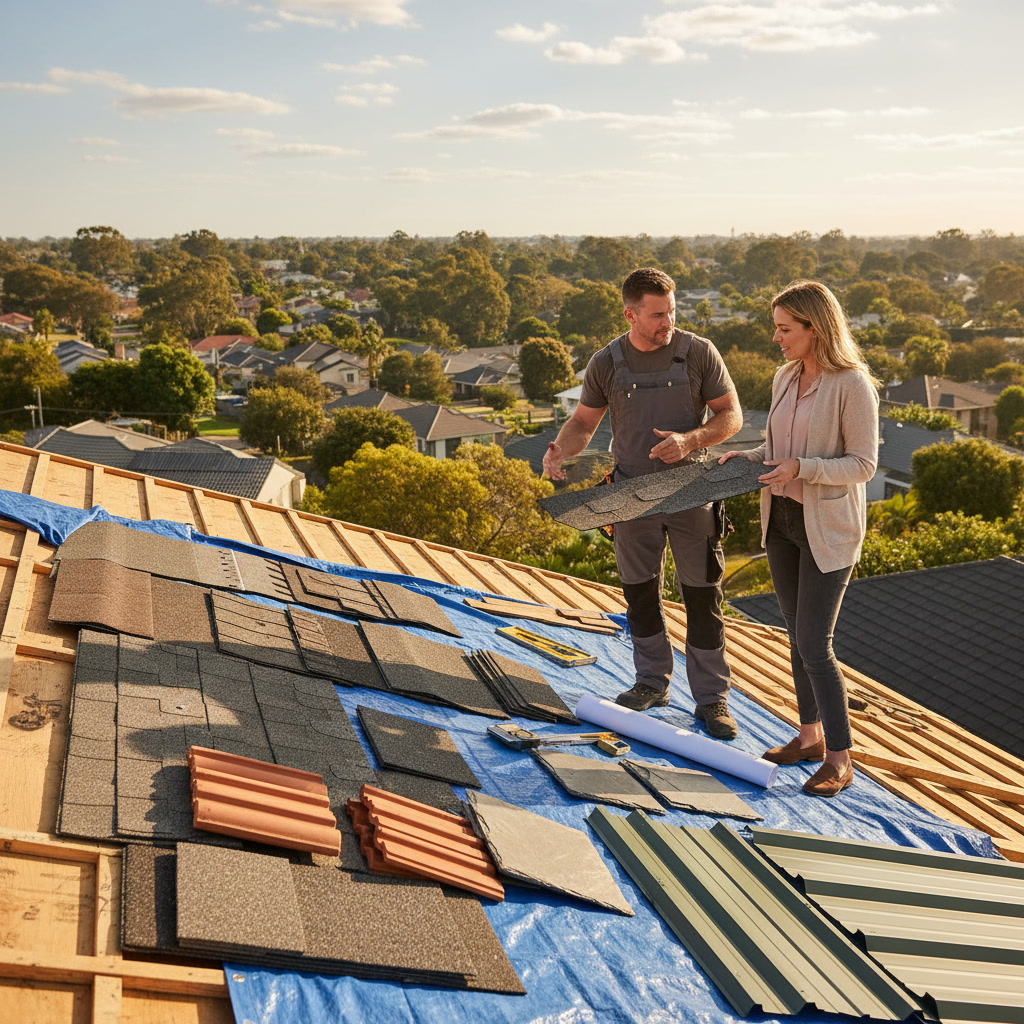
Experienced contractors present material options matched to your home’s architecture, your budget, and performance requirements. They explain differences between three-tab, architectural, and premium shingles, covering lifespan expectations, wind ratings, and aesthetic considerations. Most residential roofing projects use architectural shingles that balance cost and durability effectively.
Color selection receives guidance based on your home’s exterior palette and neighborhood standards. Contractors familiar with local areas know which colors prove most popular and maintain resale value. They also discuss specialty products like impact-resistant shingles that may qualify for insurance discounts or enhance protection in storm-prone regions.
Step-by-Step Breakdown of the Written Estimate
Professional estimates detail every project component with specific quantities and costs. Understanding this breakdown helps you compare proposals accurately and identify where contractors differ in approach or quality.
Materials section: Lists shingle brand and model, underlayment type, starter strips, ridge cap, flashings, fasteners, and ventilation products. Vague descriptions like “premium shingles” without manufacturer names make comparison impossible and suggest potential quality shortcuts.
Labor breakdown: Separates tear-off, installation, flashing work, and cleanup. Itemized labor reveals whether contractors plan adequate crew time or rush through projects. Extremely low labor costs often indicate inexperienced crews or rushed schedules that compromise quality.
Additional components: Includes costs for deck repairs, replacement of damaged wood, upgraded ventilation systems, and disposal fees. These line items matter because hidden damage exists on most roofs. Estimates addressing probable repairs prevent shock when contractors discover problems during tear-off.
Warranty coverage: Details manufacturer material warranties and contractor workmanship guarantees. Extended warranties require specific installation methods and product combinations. Contractors should explain what circumstances void coverage and whether regular maintenance inspections are required to maintain protection.
Project timeline: Specifies start date windows, estimated duration, and weather contingencies. Realistic schedules account for material delivery, permit processing, and crew availability. Promises of immediate starts from busy contractors warrant skepticism.
Questions About Permits, Insurance, and Certifications
Legitimate contractors handle permit applications and provide proof of licensing and insurance without hesitation. Building permits ensure work meets local codes and protect your property value. Inspections verify proper installation, catching defects while correction remains simple and inexpensive.
Request certificates of liability insurance and workers compensation coverage. These documents protect you from financial responsibility if workers are injured or property damage occurs during your project. Certificates should list your project address and show current coverage through project completion. Never accept verbal assurances about insurance without written documentation.
How Contractors Identify Hidden Problems During Consultation
Skilled inspectors spot subtle indicators of underlying issues that homeowners miss. Sagging roof lines suggest structural problems requiring engineering evaluation before new roofing installation. Excessive granule accumulation in gutters indicates advanced shingle deterioration even when roofs appear serviceable from ground level.
Interior stains provide clues about leak locations and duration. Fresh stains with soft, damp areas indicate active problems requiring immediate attention. Old stains with dry, hard surfaces suggest past leaks that may have self-sealed but damaged underlying materials. Understanding whether problems remain active influences repair urgency and replacement timing decisions that determine if replacement makes more financial sense than continued repairs.

Understanding Proposal Variations Between Different Contractors
Expect price differences of 20 to 40 percent between qualified contractors for identical scope. These variations reflect different material sources, crew experience levels, warranty offerings, and business overhead structures. The lowest bid frequently excludes important components or uses substandard materials that reduce long-term value.
Compare proposals by examining material specifications, warranty terms, and project scope rather than bottom-line price alone. A contractor proposing synthetic underlayment, upgraded ventilation, and ice-and-water shield in valleys provides better value than one offering felt paper and minimal accessories, even at higher cost. The enhanced materials prevent problems that generate expensive callbacks and premature failures.
Timeline commitments and payment schedules also deserve comparison. Contractors requesting large deposits before work begins or full payment before completion lack proper financing and may leave projects incomplete if they encounter cash flow problems. Standard payment schedules request deposits of 10 to 25 percent, progress payments at defined milestones, and final payment only after completion and your satisfaction.
Red Flags That Indicate Problematic Contractors
Certain behaviors during consultations signal contractors you should avoid. High-pressure tactics demanding immediate decisions, limited-time discount offers, and requests to use your home as a model for neighborhood marketing all indicate unprofessional operations. Legitimate contractors provide written estimates you can review carefully without artificial urgency.
Contractors who discourage permit applications or suggest working without proper approvals violate building codes and expose you to legal liability. Unpermitted work complicates insurance claims, reduces property values, and may require expensive correction before you can sell your home. Cash-only payment requests suggest tax evasion and leave you without recourse if problems arise.
Vague project descriptions, estimates lacking specific material brands, and refusal to provide references all warrant serious concern. Professional contractors proudly share past project examples and connect you with recent customers. They specify exact products in writing and stand behind their recommendations with verifiable credentials.
Making Confident Decisions After Your Consultation
Effective consultations provide everything you need to move forward confidently. You should understand your roof’s current condition, know whether repair or replacement makes better financial sense, and have detailed cost breakdowns for all necessary work. Take time to review proposals thoroughly, checking references and verifying credentials before signing contracts.
Schedule consultations with multiple contractors to establish baseline expectations for scope and pricing. Three estimates from qualified professionals reveal market rates and help identify outliers on both ends. Don’t automatically select the middle bid, but use the range to understand what comprehensive service costs in your area.
Trust your instincts about contractor professionalism and communication quality. You’ll work closely with your chosen contractor for days or weeks, so comfort level matters. Contractors who answer questions thoroughly, explain technical concepts clearly, and demonstrate genuine concern for your home’s protection typically deliver superior results and customer experiences.
Moving Forward With Your Roofing Project
Armed with detailed assessment information and comprehensive estimates, you can select contractors and schedule work that protects your home for decades. The consultation process eliminates uncertainty, establishes clear expectations, and creates accountability frameworks that ensure quality results. Homeowners who invest time in thorough consultations avoid the regret that comes from rushing decisions or selecting contractors based solely on price.
Stanley & Sons Roofing provides comprehensive consultations that give homeowners complete information for confident decisions. Our certified technicians examine every aspect of your roof system, document conditions thoroughly, and explain options in straightforward terms you can understand. Whether you need minor repairs or complete replacement, we deliver honest assessments and detailed proposals that reflect decades of specialized experience. Contact us at +18562279555 to schedule your consultation and receive the expert guidance your home deserves.