Selecting the right roofing material impacts your home’s protection, energy efficiency, and resale value for decades. The best choice depends on your budget, architectural style, local climate conditions, and how long you plan to stay in your home. Choosing roofing material requires understanding the performance characteristics, maintenance needs, and realistic lifespan of each option available in your area.
Most homeowners face this decision only once or twice in their lifetime, which makes research and expert guidance essential. The wrong material can lead to premature failure, costly repairs, and reduced curb appeal.
Why Your Roofing Material Decision Matters More Than You Think
Your roof represents roughly 40 percent of your home’s visible exterior. Beyond aesthetics, the material you select determines how well your home withstands wind, rain, snow, and temperature extremes. A poorly matched material can void warranties, increase insurance premiums, or violate homeowner association requirements.
The lifespan gap between materials is substantial. While basic three-tab asphalt shingles might last 15 to 20 years, premium options can protect your home for 50 years or longer. Calculating the true cost means dividing the total investment by expected service years, not just comparing initial price tags.
Climate Considerations for Gloucester Township Homeowners
New Jersey’s four-season climate creates specific demands on roofing materials. Freeze-thaw cycles, high humidity, occasional severe storms, and temperature swings from below zero to above 90 degrees all take their toll. Materials that excel in Arizona or Florida may underperform here.
Ice dam formation during winter months requires adequate ventilation and materials that resist moisture infiltration. Summer heat and UV exposure cause some materials to degrade faster, while spring storms test wind resistance. The ideal material handles all these conditions without constant maintenance.
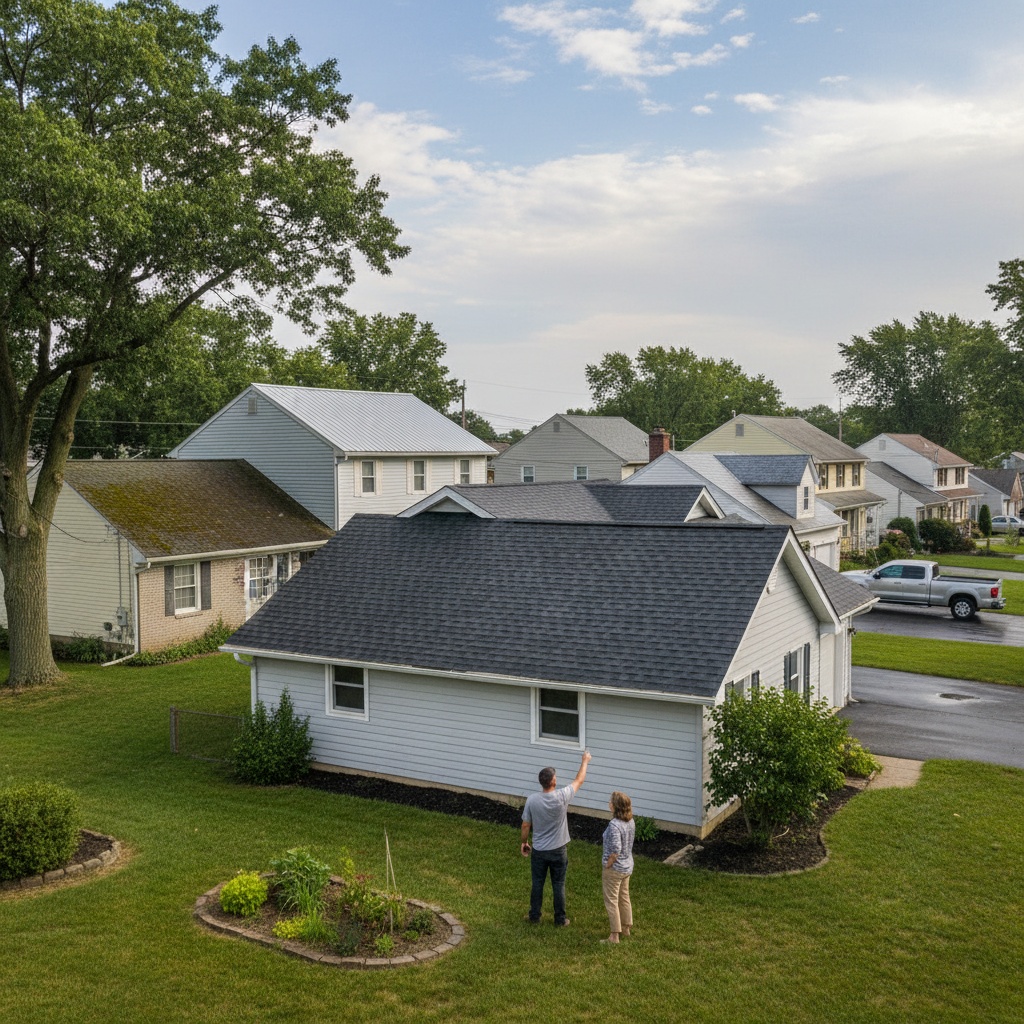
Asphalt Shingles: The Popular Standard
Architectural asphalt shingles dominate residential roofing installations because they balance cost, performance, and appearance effectively. These laminated shingles typically last 25 to 30 years and come in hundreds of color options. They resist algae growth, meet most fire ratings, and qualify for manufacturer warranties.
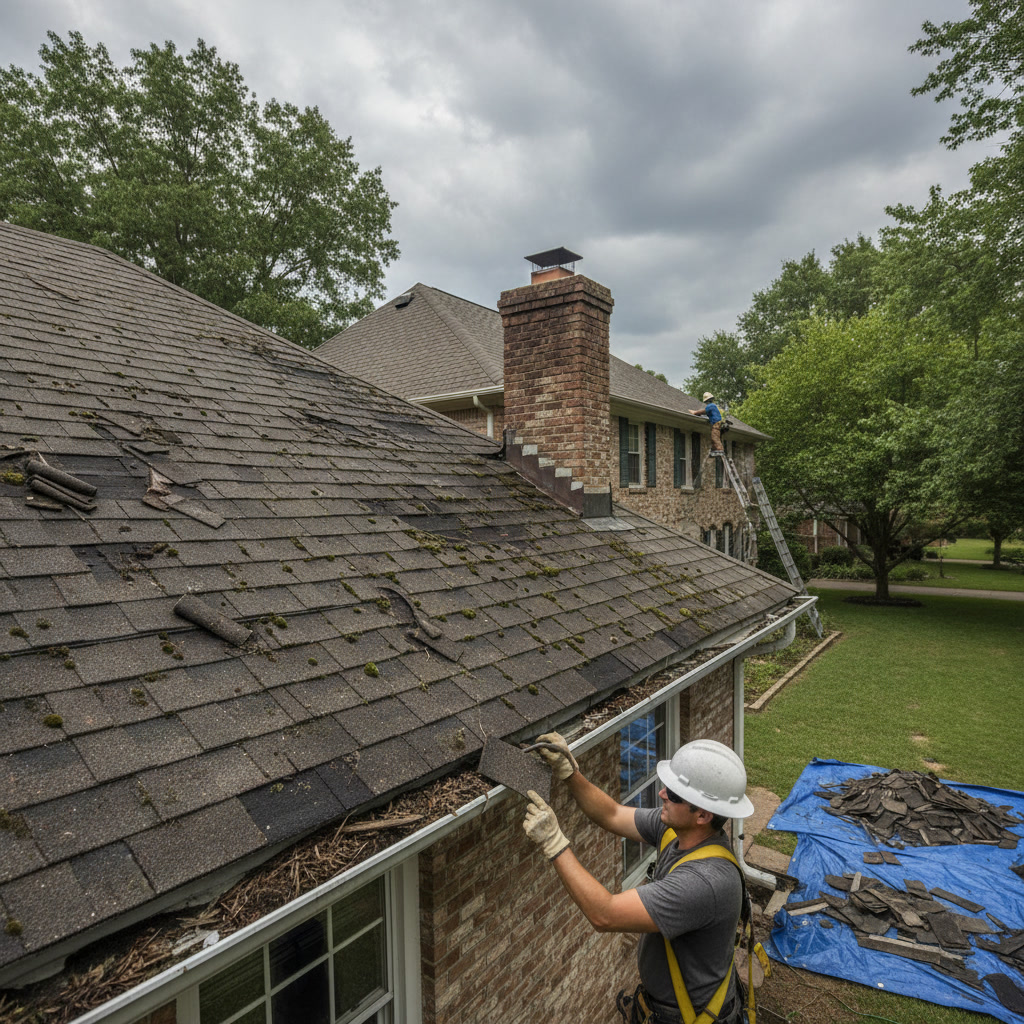
The main drawback is shorter lifespan compared to premium materials. Storm damage from hail or flying debris can require patching, and individual shingles may blow off during severe wind events. However, repairs remain straightforward and affordable when problems occur.
Metal Roofing: Longevity and Energy Efficiency
Standing seam metal roofing lasts 40 to 70 years with minimal maintenance. The interlocking panels shed snow easily, resist wind up to 140 mph, and reflect solar heat to reduce cooling costs by 10 to 25 percent. Metal roofs work well with skylights and integrate cleanly with modern gutter systems.
Initial costs run two to three times higher than asphalt shingles. Some homeowners object to the noise during heavy rain, though proper insulation minimizes this concern. Color options have expanded dramatically, moving beyond bare metal finishes to include realistic stone and tile textures.
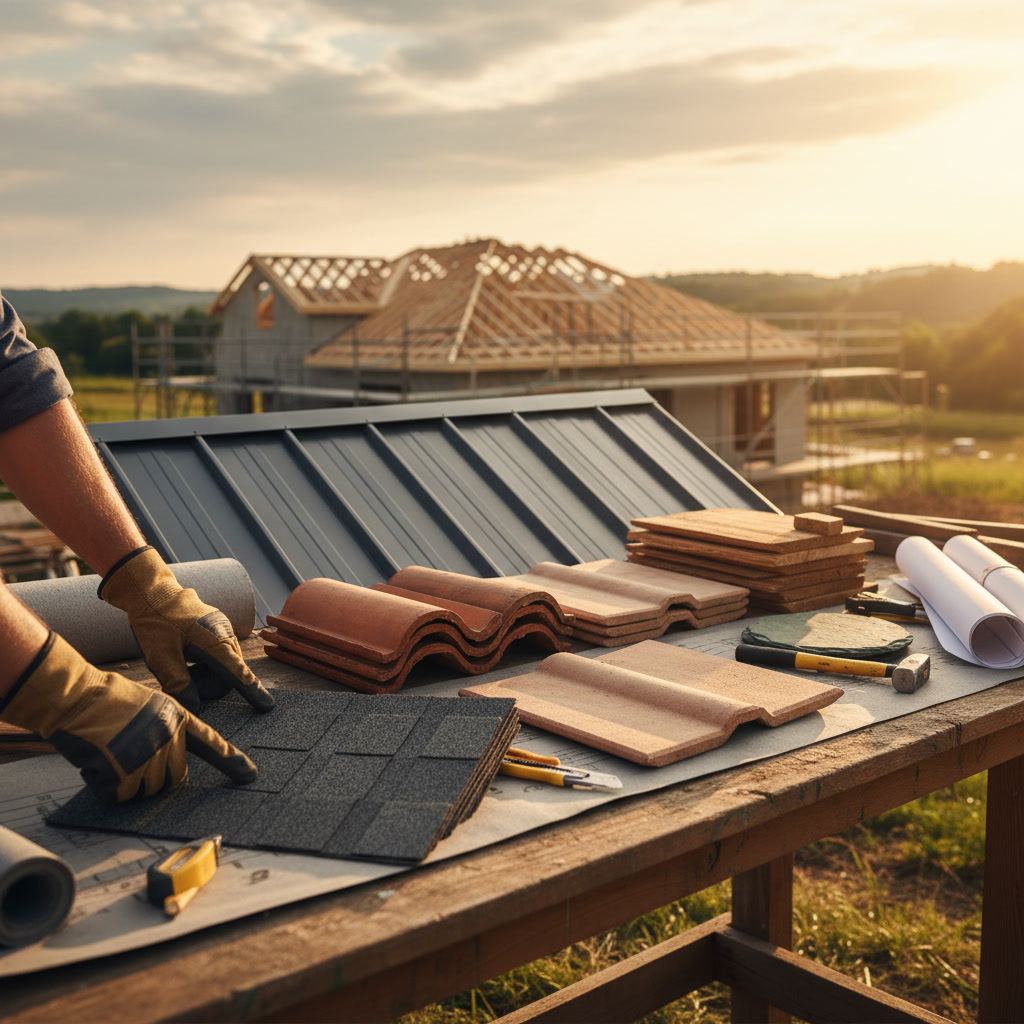
Comparing Five Common Materials Side by Side
Understanding how materials stack up across key factors helps narrow your options:
- Three-tab asphalt: 15-20 year lifespan, lowest upfront cost, limited wind resistance, basic appearance
- Architectural asphalt: 25-30 year lifespan, moderate cost, good warranty coverage, dimensional appearance
- Metal panels: 40-70 year lifespan, high initial cost, excellent wind and fire resistance, modern aesthetic
- Clay or concrete tile: 50+ year lifespan, very high cost, substantial weight requiring structural reinforcement, Mediterranean style
- Synthetic slate: 30-50 year lifespan, moderate to high cost, authentic appearance without weight penalties, growing popularity
Weight matters significantly because older homes may require structural upgrades to support tile materials. A qualified contractor should evaluate your roof decking and framing before committing to heavy materials.
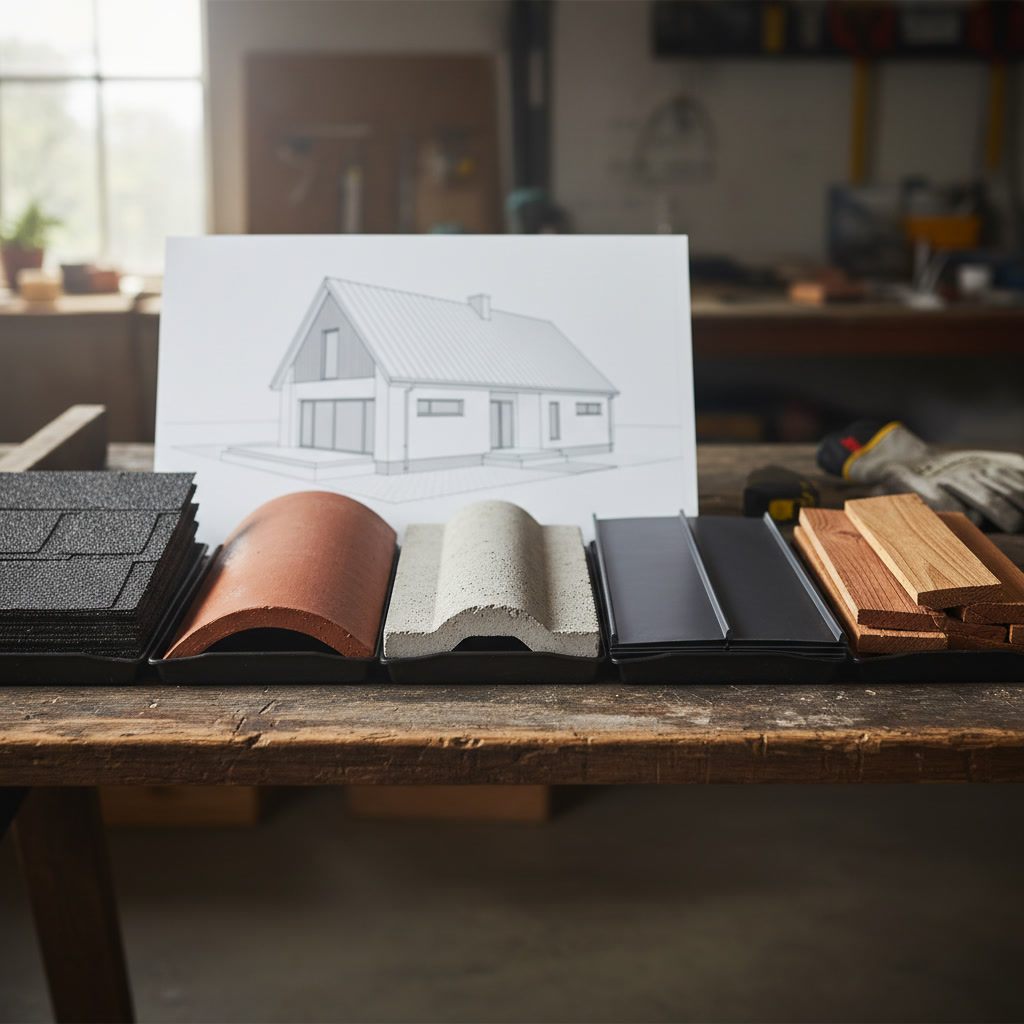
How Architectural Style Influences Material Selection
Colonial, Cape Cod, and ranch-style homes typically look best with traditional asphalt shingles in neutral tones. Victorian and historic properties often require specialty materials that match original designs. Contemporary homes with low slopes or flat sections can accommodate metal or modified bitumen systems that wouldn’t suit traditional peaked roofs.
Homeowner association rules may restrict your choices. Review covenant requirements before selecting materials, as some communities prohibit metal roofs or limit color palettes. When evaluating whether you need replacement, check these guidelines early in your planning process.
Budget Reality: Upfront Cost Versus Lifetime Value
A complete asphalt shingle replacement might cost $8,000 to $15,000 for an average home. The same house could require $25,000 to $40,000 for metal roofing. These figures shift dramatically based on roof complexity, pitch, height, and removal requirements.
Calculate cost per year of service to compare fairly. A $12,000 asphalt roof lasting 25 years costs $480 annually. A $30,000 metal roof lasting 60 years costs $500 annually while delivering better energy savings and requiring fewer repairs. This perspective changes which option represents the better investment.
Financing availability, tax credits for energy-efficient materials, and insurance discounts all affect the true cost. Some metal and impact-resistant shingles qualify for premium reductions that offset higher installation prices over time.
Maintenance Requirements Across Different Materials
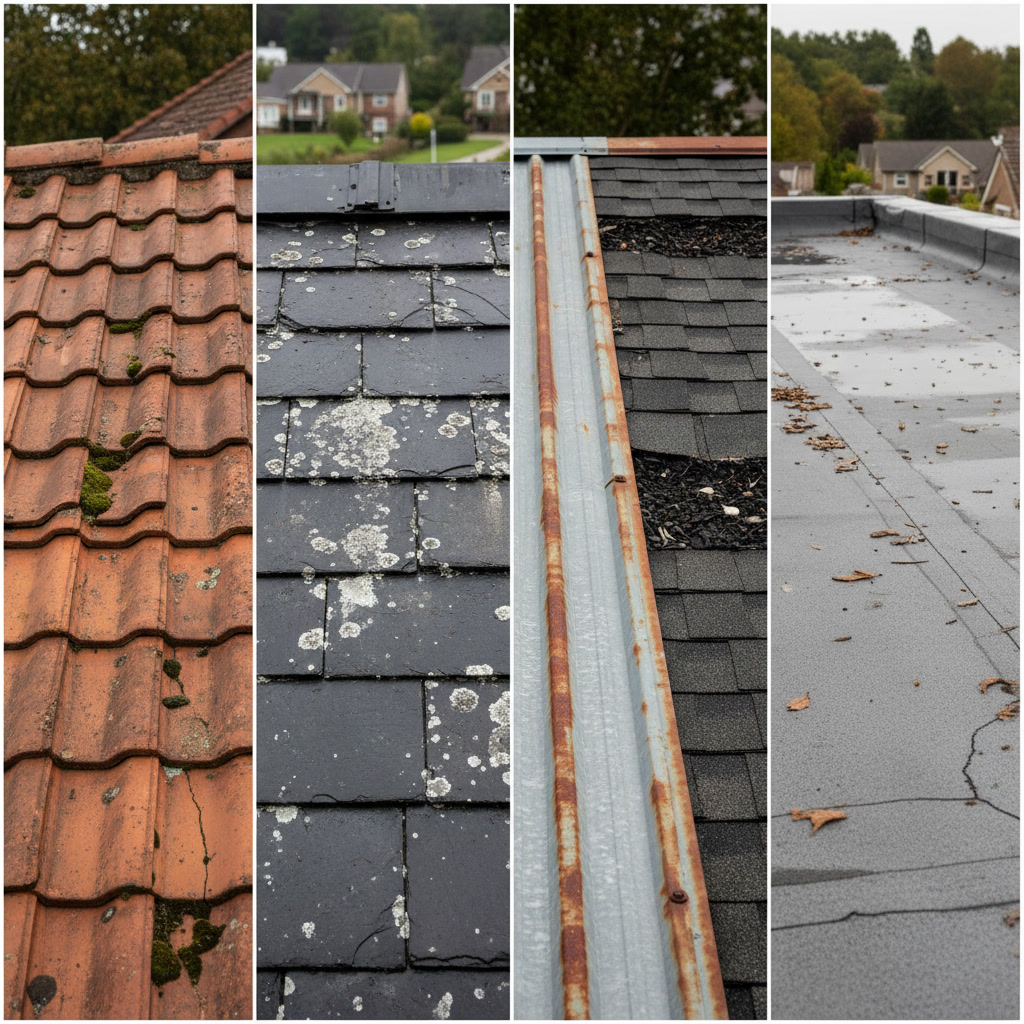
Asphalt shingles need periodic inspections to catch damaged or missing pieces. Moss and algae growth in shaded areas requires treatment every few years. Most manufacturers recommend professional inspections after severe storms.
Metal roofing requires minimal upkeep beyond checking fasteners and sealants every five years. Painted finishes may need touch-ups in high-wear areas. The reduced maintenance burden appeals to homeowners who plan to age in place.
Proper gutter systems and drainage protect every roof type. Clogged gutters cause water backup that accelerates material degradation regardless of what covers your roof. Regular cleaning extends the life of any installation.
Warranty Coverage and What It Really Means
Material warranties cover manufacturing defects, not installation errors or storm damage. A 30-year shingle warranty typically provides full replacement value for the first 10 years, then prorates coverage for the remaining period. A shingle that fails in year 20 might only receive 33 percent reimbursement.
Workmanship warranties from your contractor cover installation quality. Reputable companies offer 10 to 25-year labor warranties that protect against leaks caused by improper techniques. Understanding how residential roof warranties work prevents disappointment when problems arise.
Premium manufacturer warranties require certified installers who meet specific training standards. These enhanced programs offer better coverage terms and non-prorated replacement periods. Verify your contractor holds current certifications before signing contracts.
The Impact of Roof Pitch and Complexity
Steep roofs require additional safety equipment and labor, increasing costs for any material. Low-slope applications limit your options, as standard shingles need at least a 4:12 pitch to perform correctly. Metal and membrane systems work on slopes as low as 1:12.
Complex roof designs with multiple valleys, dormers, and intersections create more seams where leaks can develop. Simpler roof lines install faster and develop fewer problems over time. Material choice matters less than quality installation on complicated roof structures.
Homes with multiple roof planes at different heights require careful flashing and transition details. Premium materials with better warranties make more sense on these challenging installations because the labor cost remains high regardless of material choice.
Making Your Final Decision With Confidence
Start by identifying your non-negotiables: budget ceiling, minimum expected lifespan, and aesthetic requirements. Eliminate materials that fail any critical criterion. Request samples of your top two or three choices and view them in natural light against your home’s siding.
Consult with experienced contractors who work with multiple material types. Companies that only install one product will naturally recommend what they sell. Qualified professionals should explain trade-offs honestly and match materials to your specific situation rather than pushing their highest-margin option.
Consider how long you plan to own the home. If you’re selling within five years, premium materials rarely return their investment. If this is your forever home, durability and low maintenance justify higher upfront costs. The right material protects your investment while fitting your lifestyle and financial goals.
Partner With Experienced Roofing Professionals
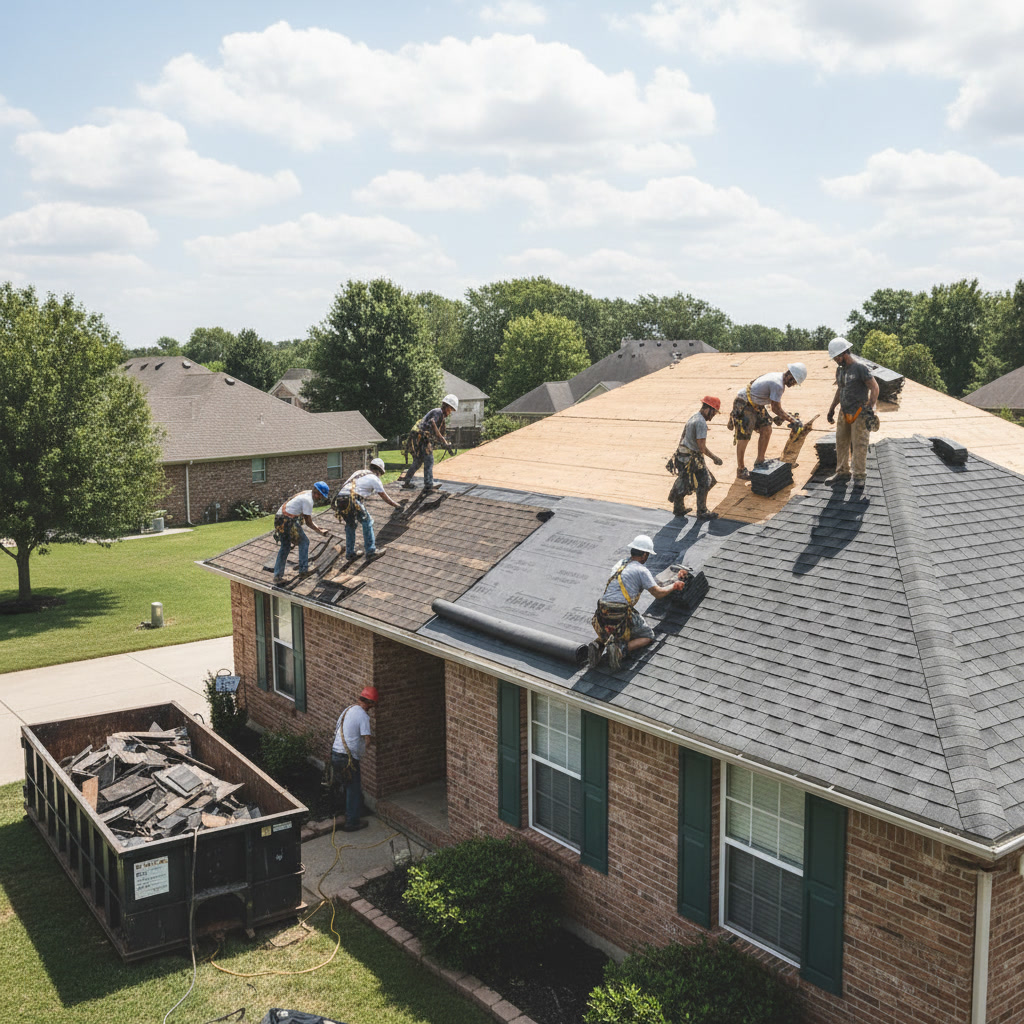
The material you select forms only part of a successful roofing project. Proper installation, adequate ventilation, quality underlayment, and correct flashing details determine whether your roof reaches its expected lifespan. Even the best materials fail prematurely when installed incorrectly.
Stanley & Sons Roofing brings decades of specialized experience to every project, helping homeowners throughout the region make informed material selections that match their needs and budgets. Our certified technicians install all major roofing types and maintain relationships with leading manufacturers to secure the best warranties available.
Choosing the right protection for your home deserves expert guidance and quality workmanship. Contact Stanley & Sons Roofing at +18562279555 to schedule a consultation and receive a detailed material comparison tailored to your specific property and priorities.