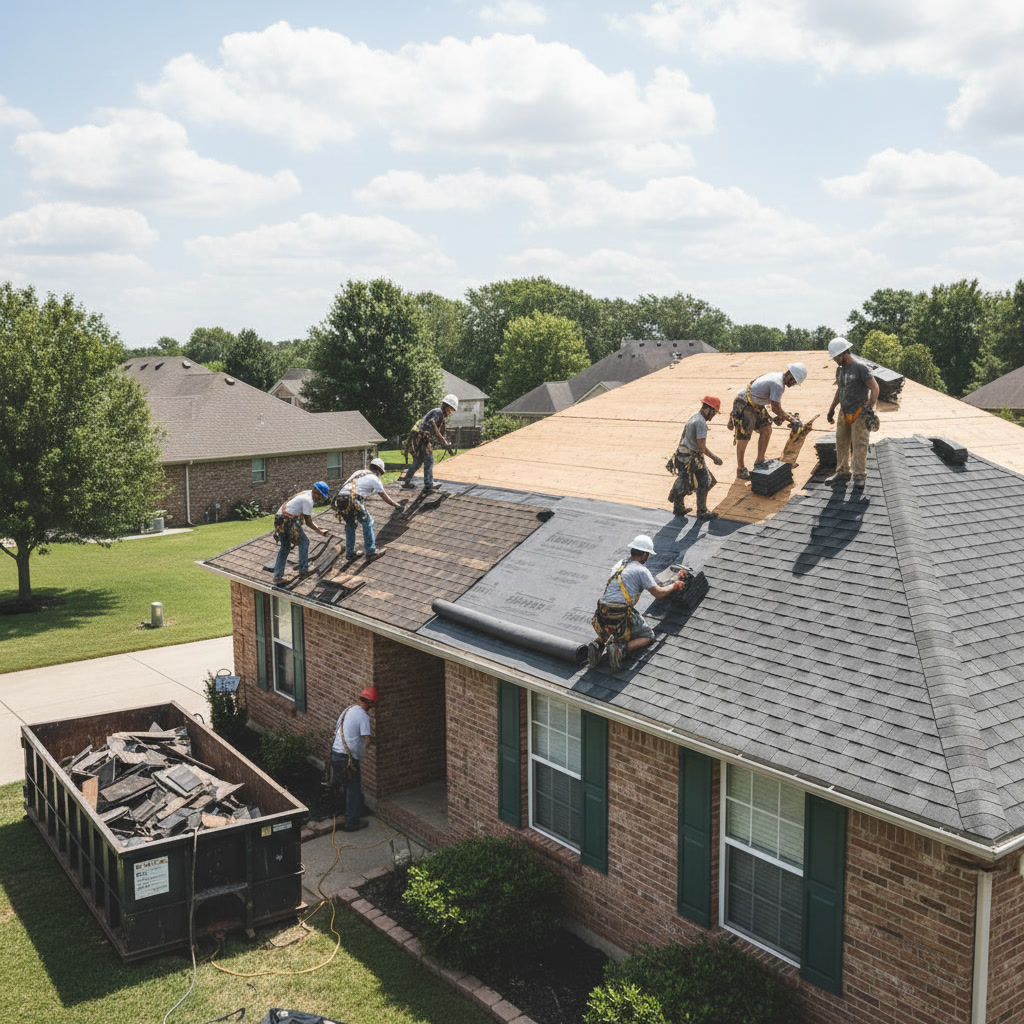

Residential roofing warranties typically include two distinct components: a manufacturer’s material warranty covering defects in shingles and components, and a contractor’s workmanship warranty protecting installation quality. Most manufacturer warranties last 25 to 50 years but only cover material defects, not weather damage or improper installation. Workmanship warranties from reputable contractors usually span 5 to 10 years and address installation errors. Understanding roof warranty coverage prevents costly surprises when you need repairs down the road.
The Investment Behind Your Protection
A new roof represents one of the largest investments in your home, often ranging from $8,000 to $25,000 depending on size and materials. Given this substantial cost, the warranties backing your system become critical safety nets. Yet most homeowners sign contracts without fully understanding what protection they actually receive. The difference between a manufacturer defect and normal wear, or between covered installation errors and maintenance neglect, determines whether you pay nothing or thousands when problems appear.
Two Distinct Types of Coverage
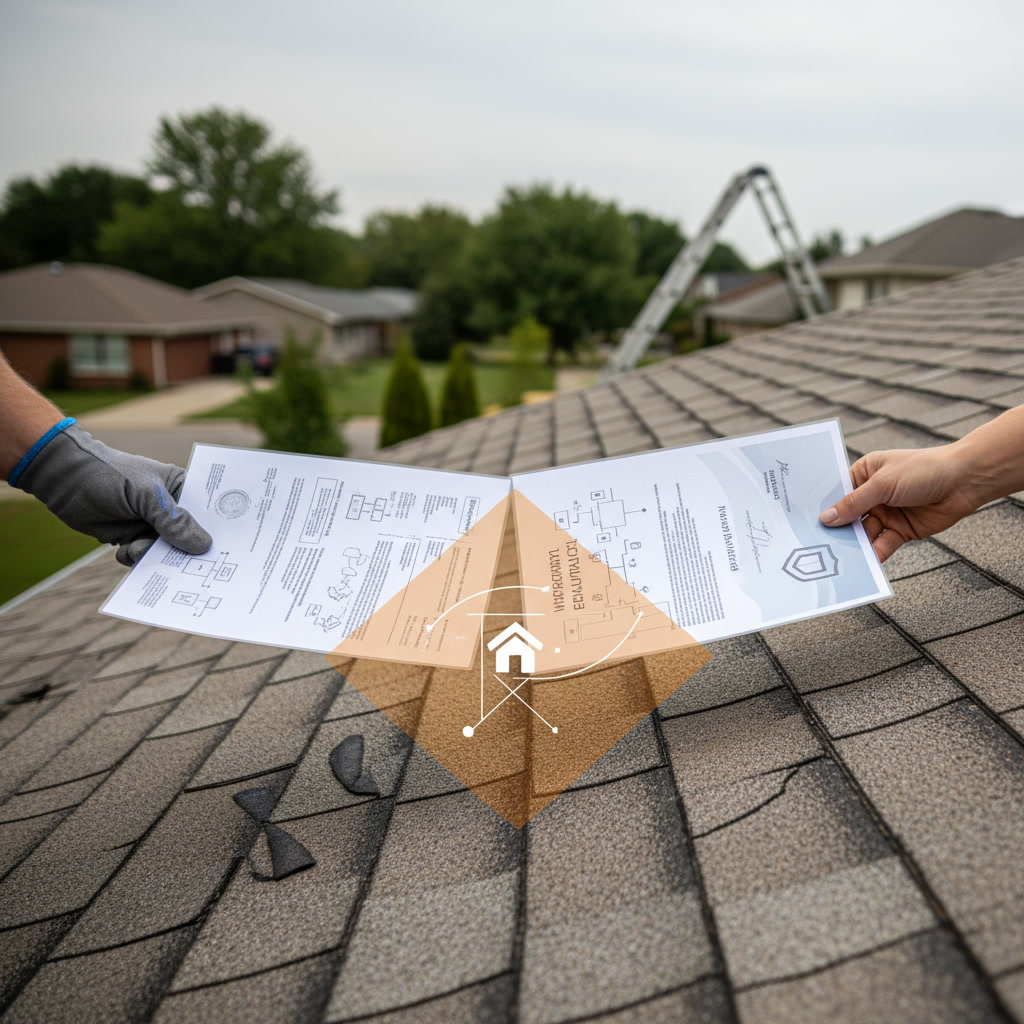
Every professional roofing project comes with two separate warranties that work together but cover completely different risks. The manufacturer’s material warranty protects against defective shingles, underlayment, or components that fail due to production flaws. The contractor’s workmanship warranty covers installation mistakes, such as improper flashing, inadequate ventilation, or nail placement errors. These warranties rarely overlap, which means identifying the source of a problem determines which coverage applies and who handles the repair.
What Manufacturer Material Warranties Actually Protect
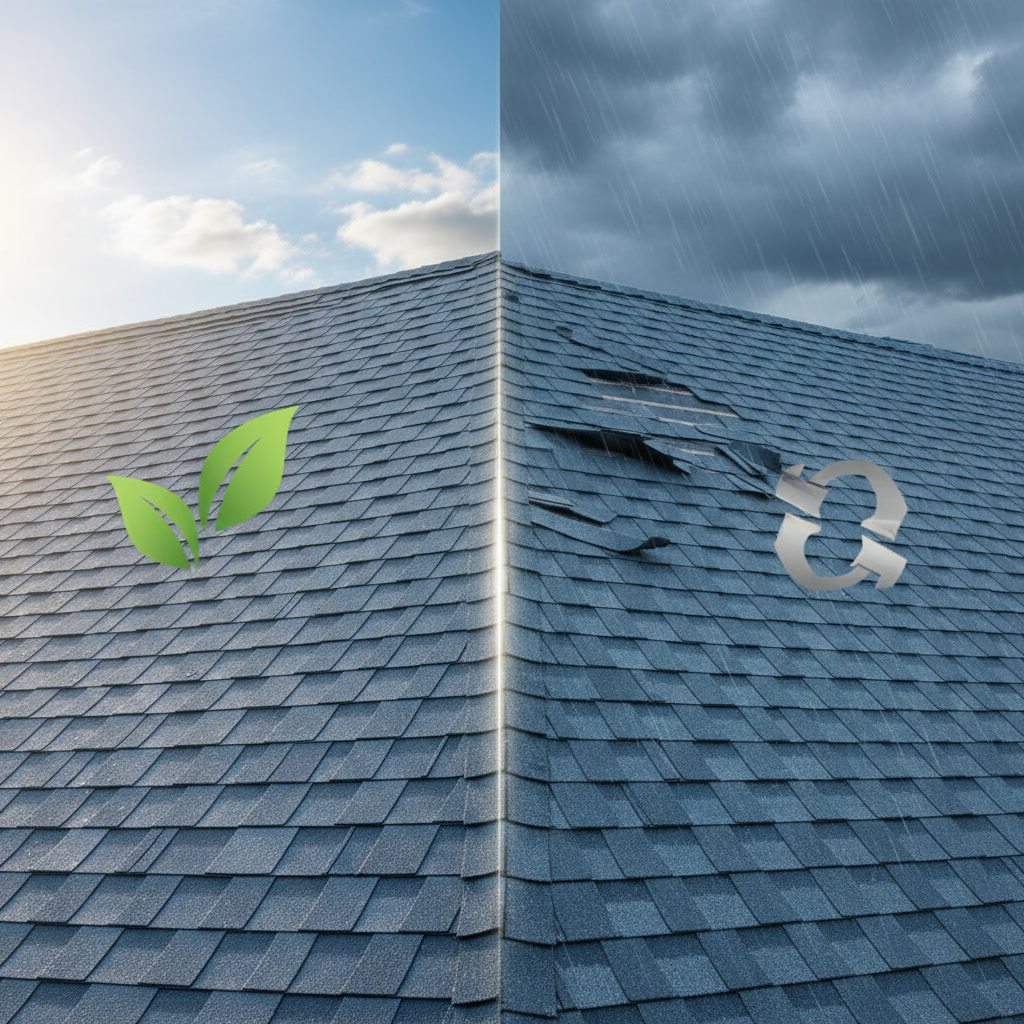
Material warranties from major shingle manufacturers cover specific defects like premature granule loss, manufacturing inconsistencies, or structural breakdown of the shingle itself. These warranties do not cover normal weathering, color fading within industry standards, or damage from hail, wind, or falling debris. Most standard warranties are prorated, meaning coverage value decreases each year. A 30-year prorated warranty might offer full replacement for five years, then gradually reduce coverage so that by year 20, you receive only 30 percent of the material cost.
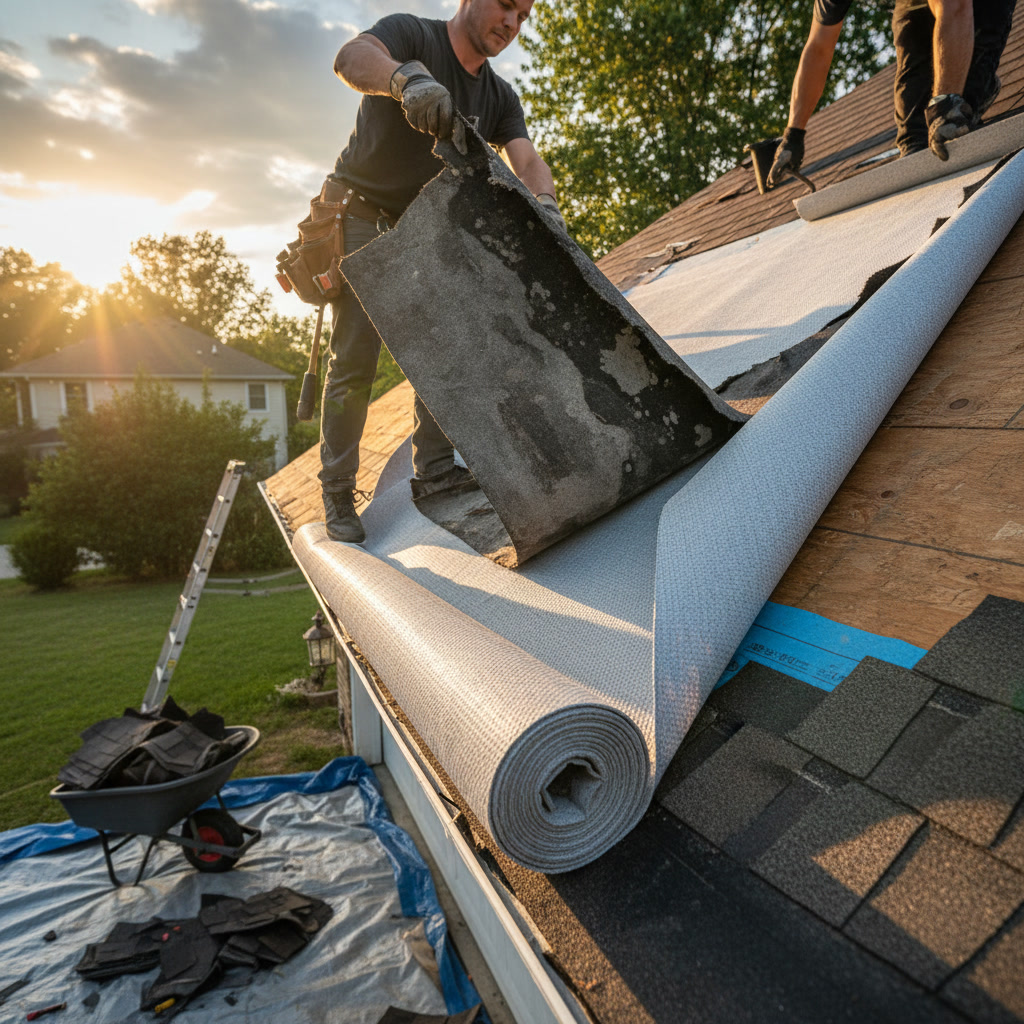
Premium warranties offer non-prorated coverage for extended periods, typically 10 to 15 years of full replacement value. These enhanced warranties often require using the manufacturer’s complete system, including specific underlayment, starter strips, hip and ridge caps, and ventilation products. The investment in a full system increases upfront costs but delivers significantly better long-term protection. Transferability also varies, with some warranties allowing one transfer to a new homeowner while others become void upon sale.
Understanding Workmanship Warranty Terms in Gloucester Township
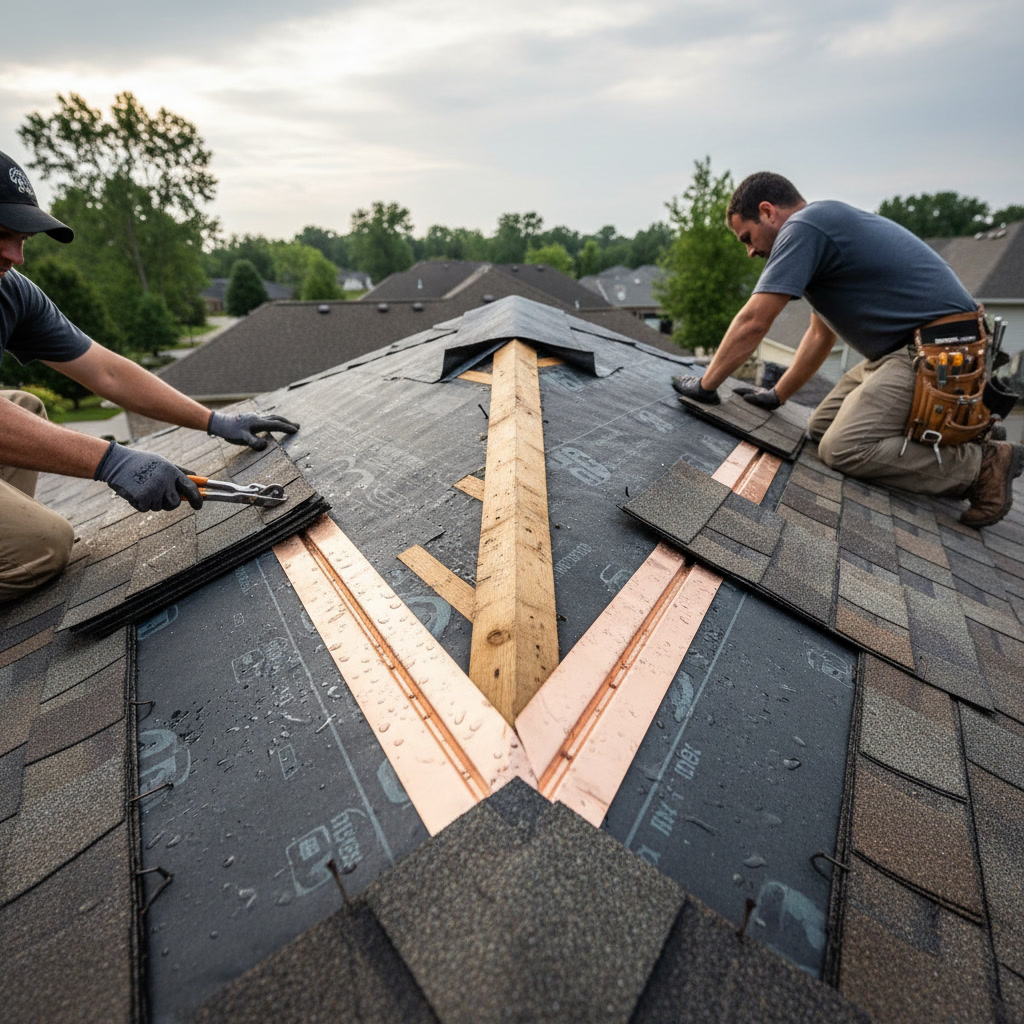
The contractor’s workmanship warranty protects you from installation errors that cause leaks, premature failure, or system damage. Quality contractors stand behind their work for five to 10 years, addressing problems like improper flashing around chimneys and skylights, inadequate ventilation causing premature shingle aging, or incorrect nail patterns that allow wind damage. This warranty becomes void if another contractor performs modifications or repairs, which makes selecting the right installer critical from the start.
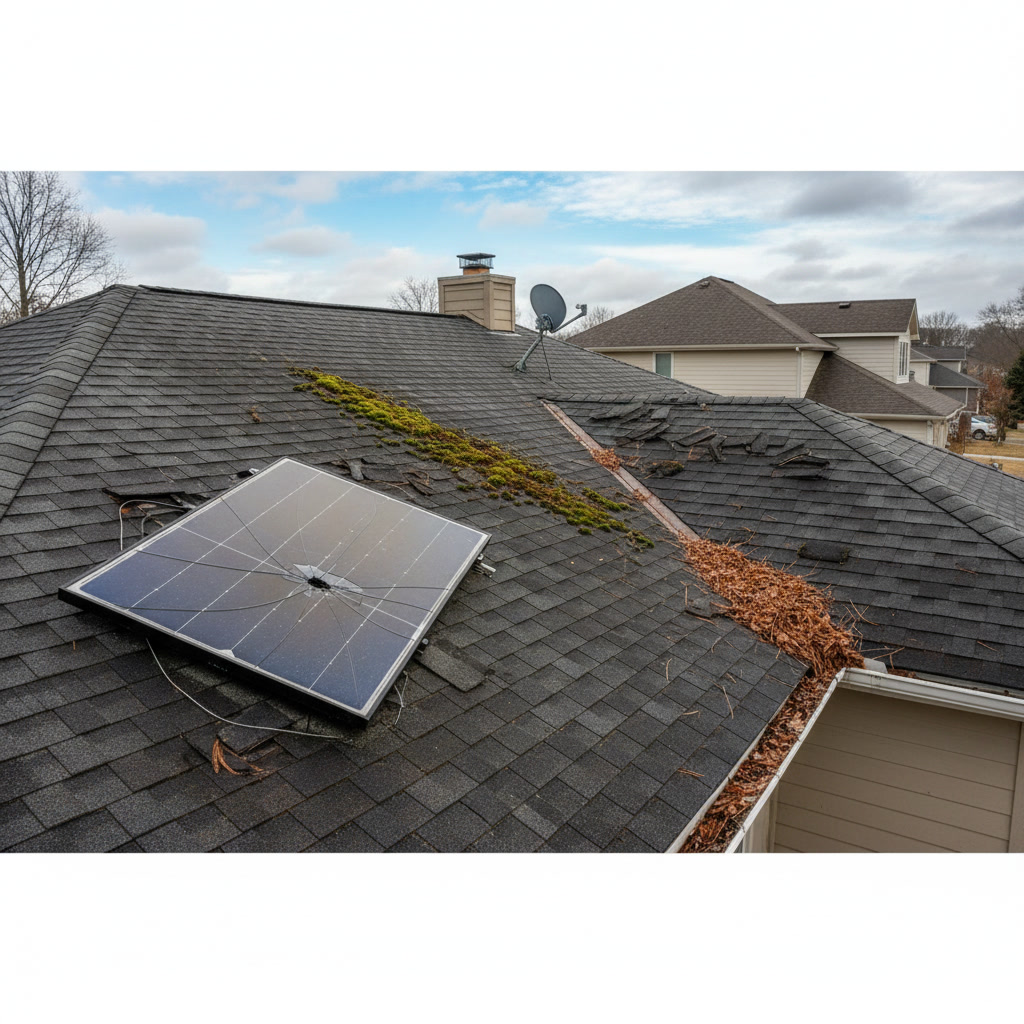
Workmanship warranties typically exclude damage from events outside the contractor’s control. Walking on the roof, installing satellite dishes, or adding equipment without proper flashing voids coverage in those specific areas. Neglecting maintenance like clearing debris or allowing gutters to overflow also releases the contractor from responsibility, since preventable water damage falls outside installation quality issues.
Common Exclusions That Catch Homeowners Off Guard
Nearly every roofing warranty excludes weather damage, even when new materials fail during storms. A manufacturer warranty covers defective shingles but not perfectly good shingles torn off by 70 mph winds. Similarly, hail damage to a three-year-old roof falls under your homeowner’s insurance, not warranty coverage. This distinction confuses many homeowners who assume a 50-year warranty means 50 years of storm protection.
Algae growth, moss accumulation, and cosmetic discoloration rarely qualify for coverage unless they result from a specific manufacturing defect. Normal foot traffic damage, improper attic ventilation causing heat buildup, and structural settling that stresses the roofing system all fall outside standard warranties. Ice dam damage represents another common exclusion, since most warranties classify this as a ventilation or insulation issue rather than a roofing material or installation defect.
The Registration Step Most Homeowners Skip
Manufacturer warranties often require registration within 30 to 90 days of installation to activate full coverage. Skipping this step downgrades your protection to a basic limited warranty with significantly reduced benefits. Registration requires proof of purchase, installation date, and sometimes photographs of the completed work. Many contractors handle registration as part of their service, but verifying completion protects your investment. Without proper registration, you might discover reduced coverage years later when you need it most.
How Transferability Affects Resale Value
A transferable warranty adds tangible value when selling your home, giving buyers confidence in the roof’s remaining lifespan. Most manufacturer warranties allow one transfer to a subsequent owner, though some charge transfer fees ranging from $50 to $250. The transfer process requires notifying the manufacturer, providing sale documentation, and often completing an inspection. Workmanship warranties rarely transfer, since they protect the original customer’s relationship with the contractor. If you’re considering a home with a newer roof, verify whether warranties transferred properly and understand any limitations on the coverage you’re inheriting.
Five Critical Questions Before You Sign
First, ask whether the warranty is prorated or non-prorated and exactly when coverage value begins decreasing. Second, clarify who handles claims, since some manufacturers require working through the original contractor while others allow direct claims. Third, determine whether the warranty covers labor costs for repairs or only materials, because labor often exceeds material costs on small repairs. Fourth, understand maintenance requirements, as most warranties mandate regular inspections and debris removal. Fifth, verify what documentation you need to keep, since lost receipts or installation records can invalidate claims years later.
When Warranties Overlap With Insurance Claims
Storm damage creates potential overlap between warranty coverage and homeowner’s insurance, but warranties almost never cover weather events. If wind removes shingles that were improperly installed, your workmanship warranty should cover the repair. If the same wind removes properly installed shingles, your insurance handles the claim. The challenge comes when determining whether installation quality contributed to failure. Insurance adjusters and contractors sometimes disagree on causation, leaving homeowners caught between coverage gaps. Documenting your roof’s condition before storms and maintaining roof repair records helps resolve these disputes.
The Role of Regular Maintenance in Preserving Coverage
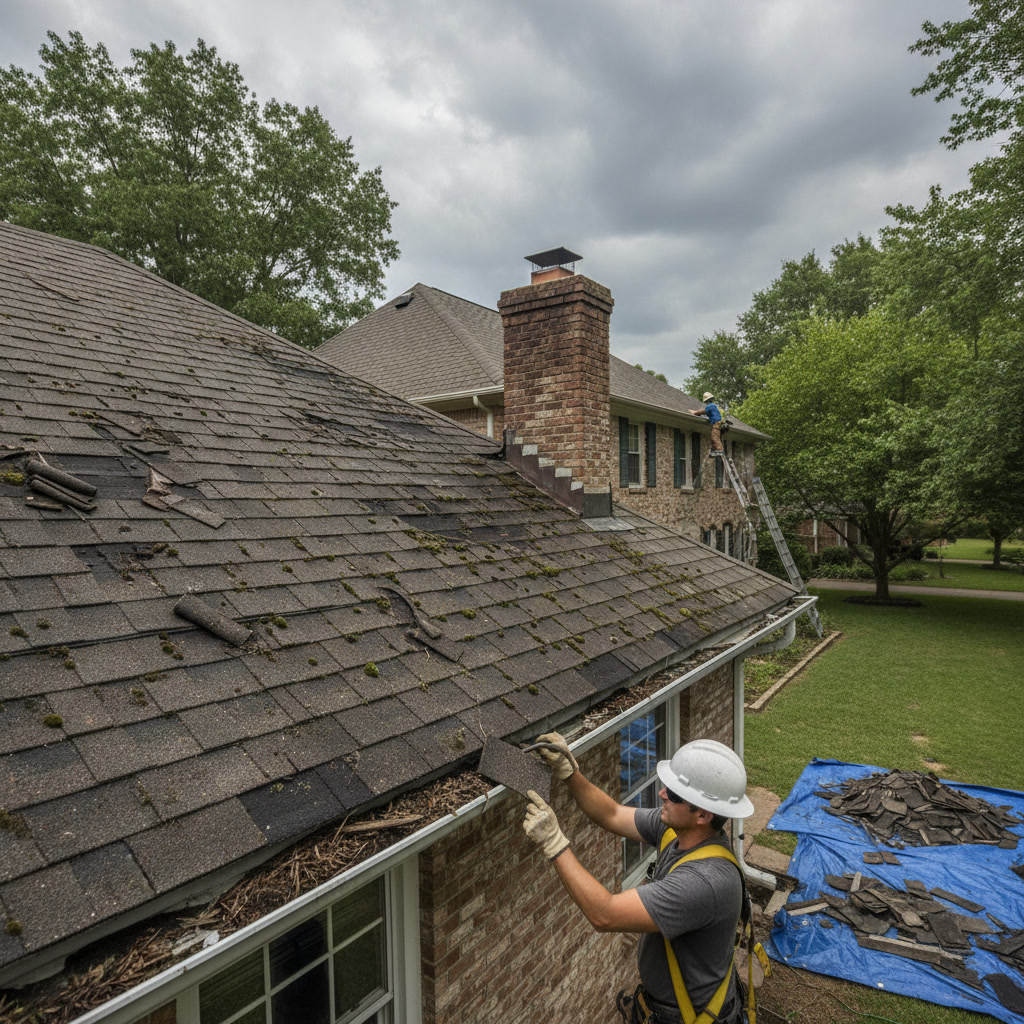
Nearly every roofing warranty includes language requiring reasonable maintenance to remain valid. Allowing debris to accumulate, failing to clear ice dams, or ignoring minor damage gives manufacturers and contractors grounds to deny claims. Annual inspections identify small problems before they escalate into warranty-voiding neglect. Professional maintenance programs document your diligence, creating a paper trail that supports warranty claims if problems develop. The modest cost of preventive care, typically $150 to $300 annually, protects warranty coverage worth thousands of dollars.
Knowing when repairs make sense versus full replacement also affects warranty decisions. Understanding the signs you need a new roof instead of just repairs helps you time warranty claims appropriately and avoid unnecessary work that might void coverage.
Making Warranty Protection Work for Your Home
Understanding warranty terms transforms these documents from legal jargon into practical protection for your investment. Material warranties guard against manufacturing defects but exclude weather damage and normal aging. Workmanship warranties cover installation mistakes but require you to avoid modifications and maintain the system properly. Registration, documentation, and regular maintenance preserve your coverage when you need it most.
The contractor you choose determines half your warranty protection, making selection critical. Stanley & Sons Roofing provides comprehensive workmanship warranties backed by decades of experience and relationships with leading manufacturers. Our team ensures proper registration, explains coverage in plain language, and stands behind every residential roofing installation with responsive service when you need assistance. Contact us at +18562279555 to discuss warranty options for your next roofing project and get protection you can actually rely on.