Starter strip shingles form the critical first line of defense along roof edges, providing the adhesive surface and wind resistance that standard shingles need to perform correctly. Without them, your roof becomes vulnerable to wind uplift, water infiltration, and premature failure. These specialized components create a uniform base that ensures proper shingle alignment and sealing from the very first course.
Most homeowners never see these hidden components, yet they play an indispensable role in roof longevity. Understanding how they function helps you make informed decisions when planning a residential roofing project.
The Hidden Foundation of Every Quality Roof Installation
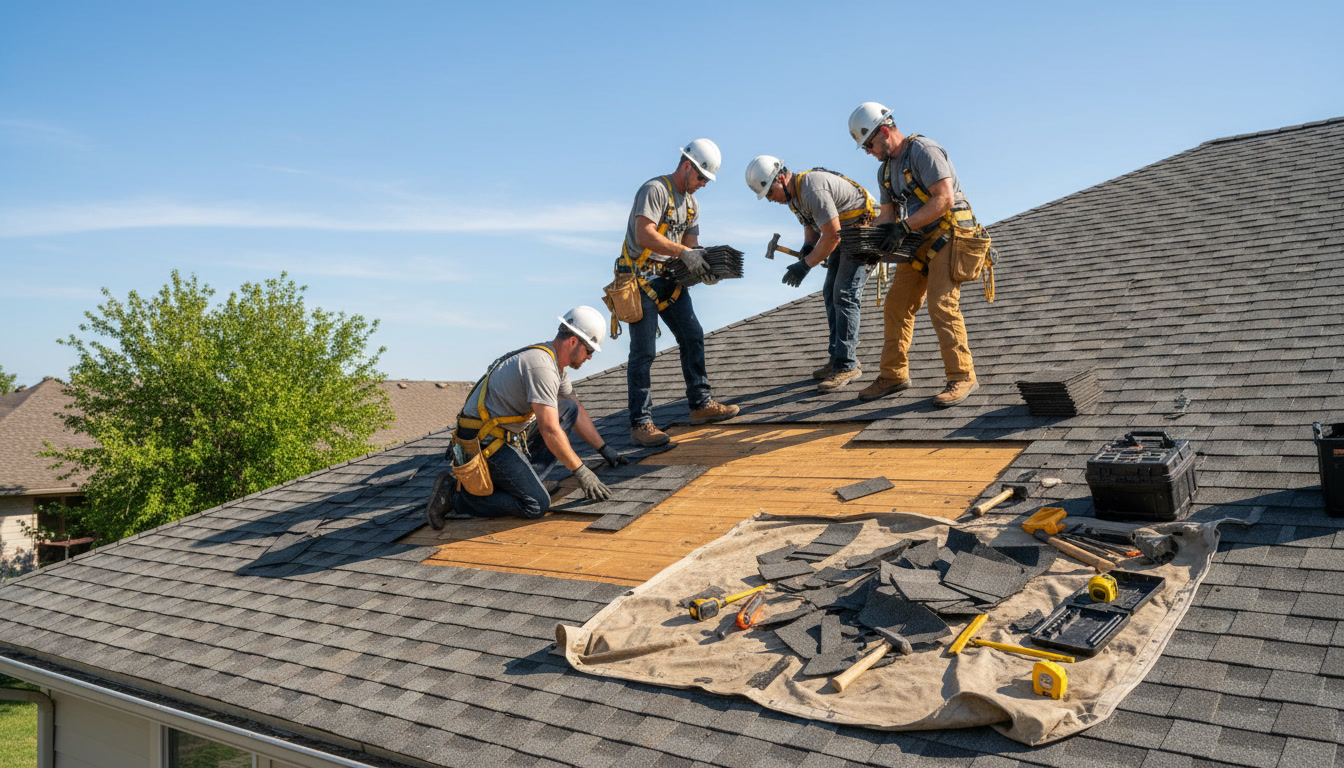
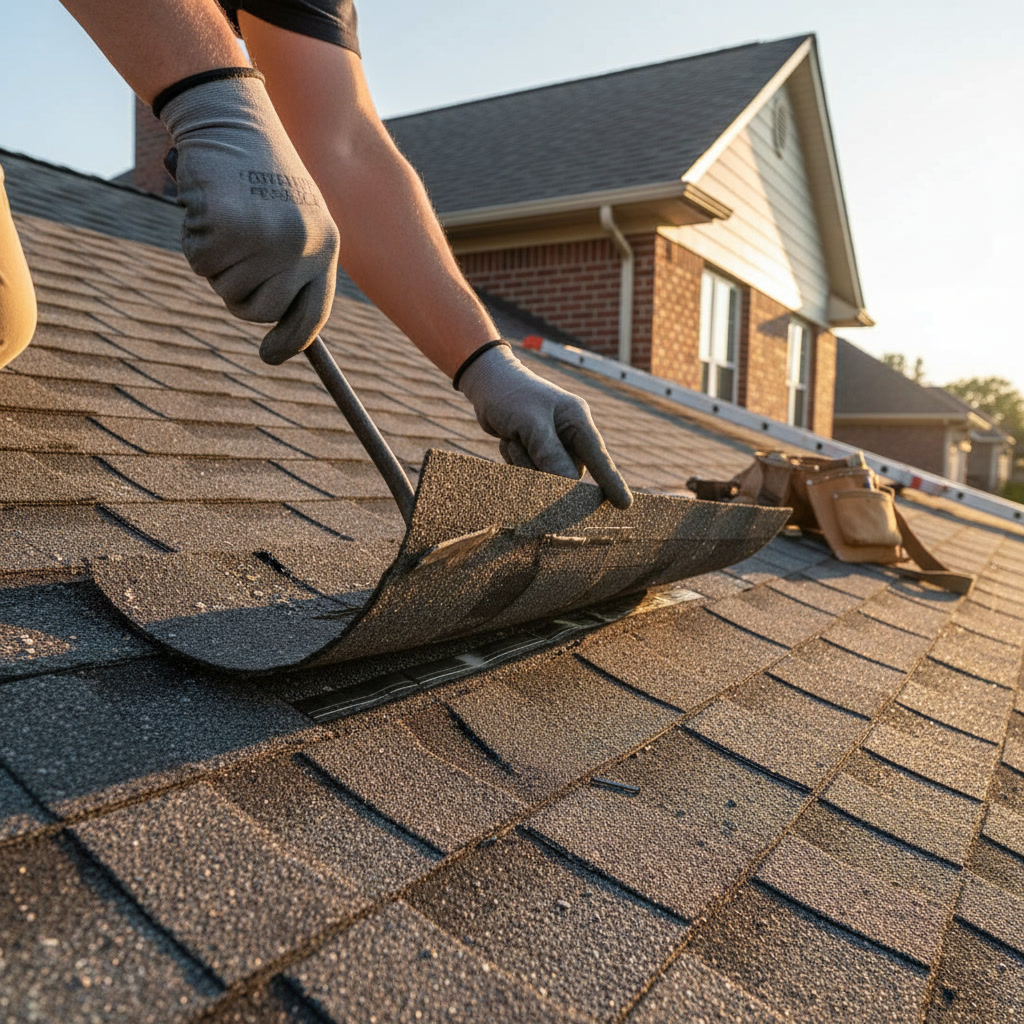
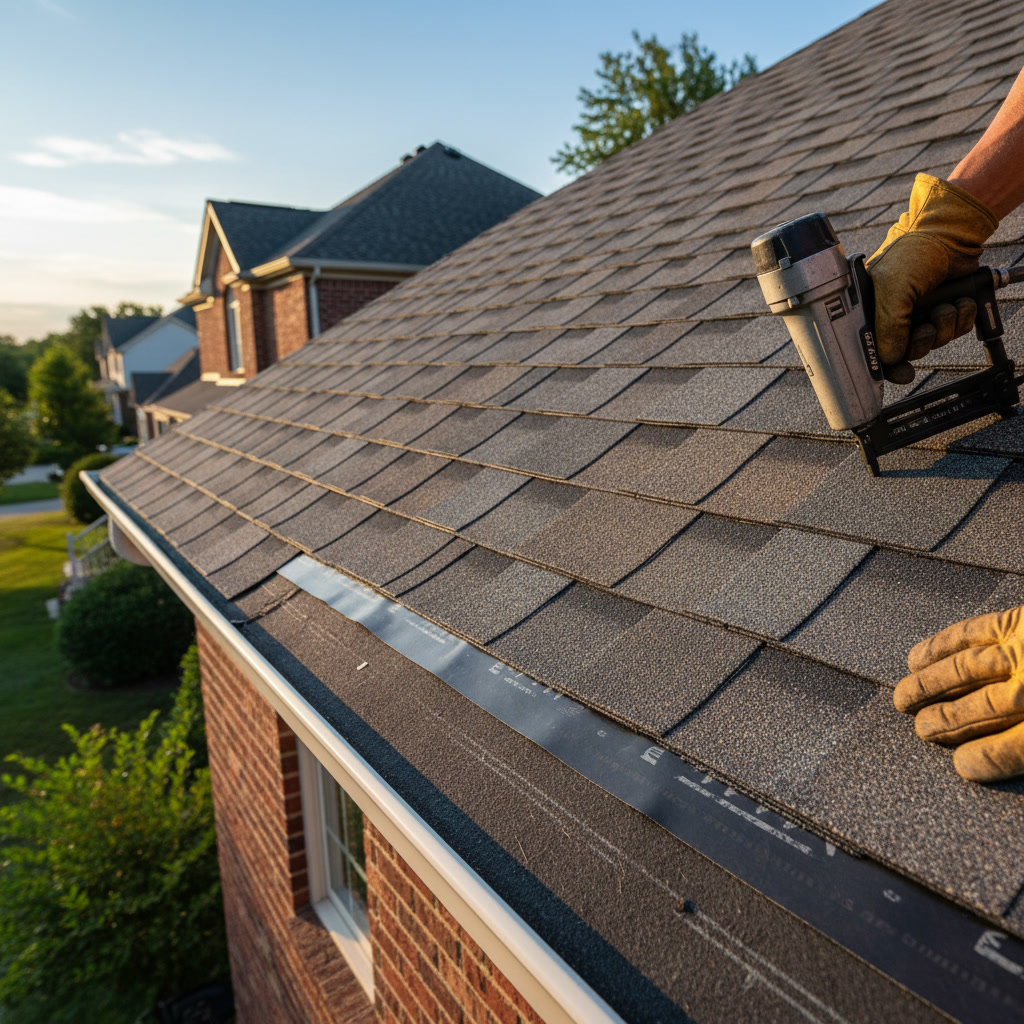
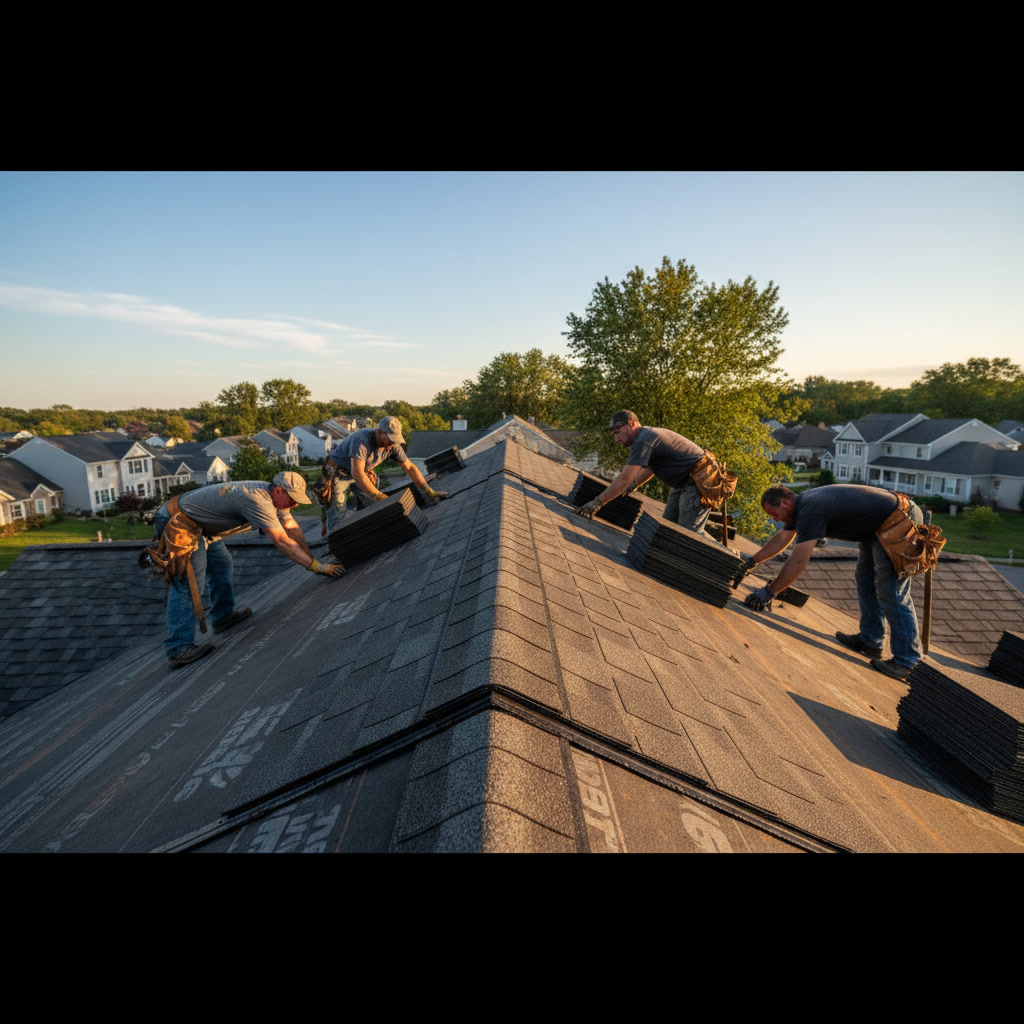
Professional roof installations follow a specific sequence that begins at the edges, not the center. The starter course establishes the framework for everything that follows. This initial layer sits beneath the first row of visible shingles, extending slightly beyond the roof edge to direct water into gutters.
The design differs significantly from standard three-tab or architectural shingles. While regular shingles feature tabs and cutouts, starter strips provide a continuous adhesive surface. This solid foundation prevents gaps that could allow wind-driven rain to penetrate the roof system.
What Makes Starter Strips Different From Regular Shingles
Standard asphalt shingles contain adhesive strips positioned to bond with the shingle above them. When you place a regular shingle at the roof edge, the adhesive strip sits in the wrong location. The tabs hang over the edge without proper backing, creating weak points where wind can lift and tear the material.
Starter products solve this problem with adhesive placement specifically engineered for edge application. The sealant runs along the bottom edge, creating an immediate bond with the first course of field shingles. This design eliminates the vulnerable gap that occurs when installers try to use standard shingles as starters.
How They Protect Against Wind Damage
Wind uplift begins at roof edges and corners where air pressure differences create the strongest forces. Studies from roofing material laboratories show that properly installed starter courses can increase edge wind resistance by 40 to 60 percent compared to installations without them.
The continuous adhesive bond prevents the flutter and lift that gradually loosens fasteners. Once shingles begin lifting, each wind event causes additional damage. Water enters through compromised areas, damaging decking and underlayment. What starts as a minor edge problem quickly spreads across larger sections of the roof.
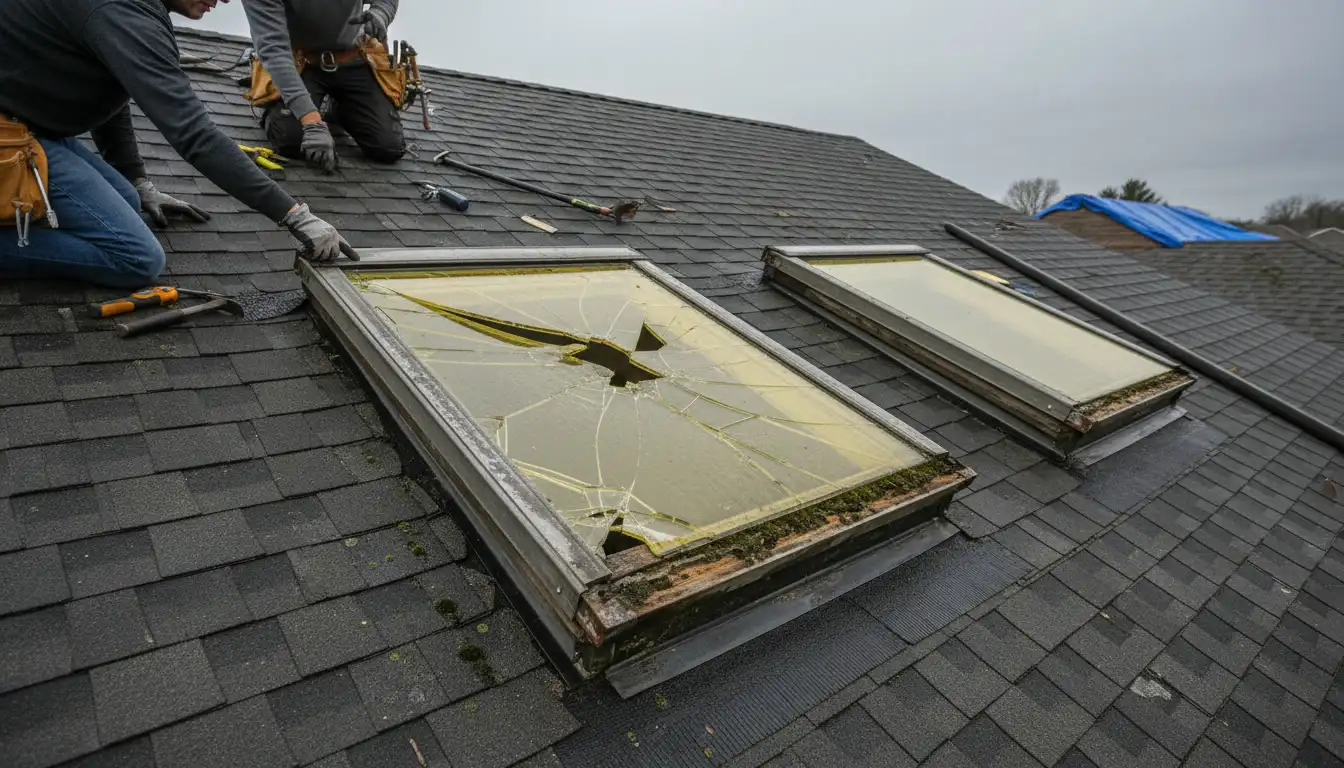
Professional roof repair teams frequently identify missing or improperly installed starter courses as the root cause of premature shingle failure, especially after severe weather events.
The Role They Play in Water Management
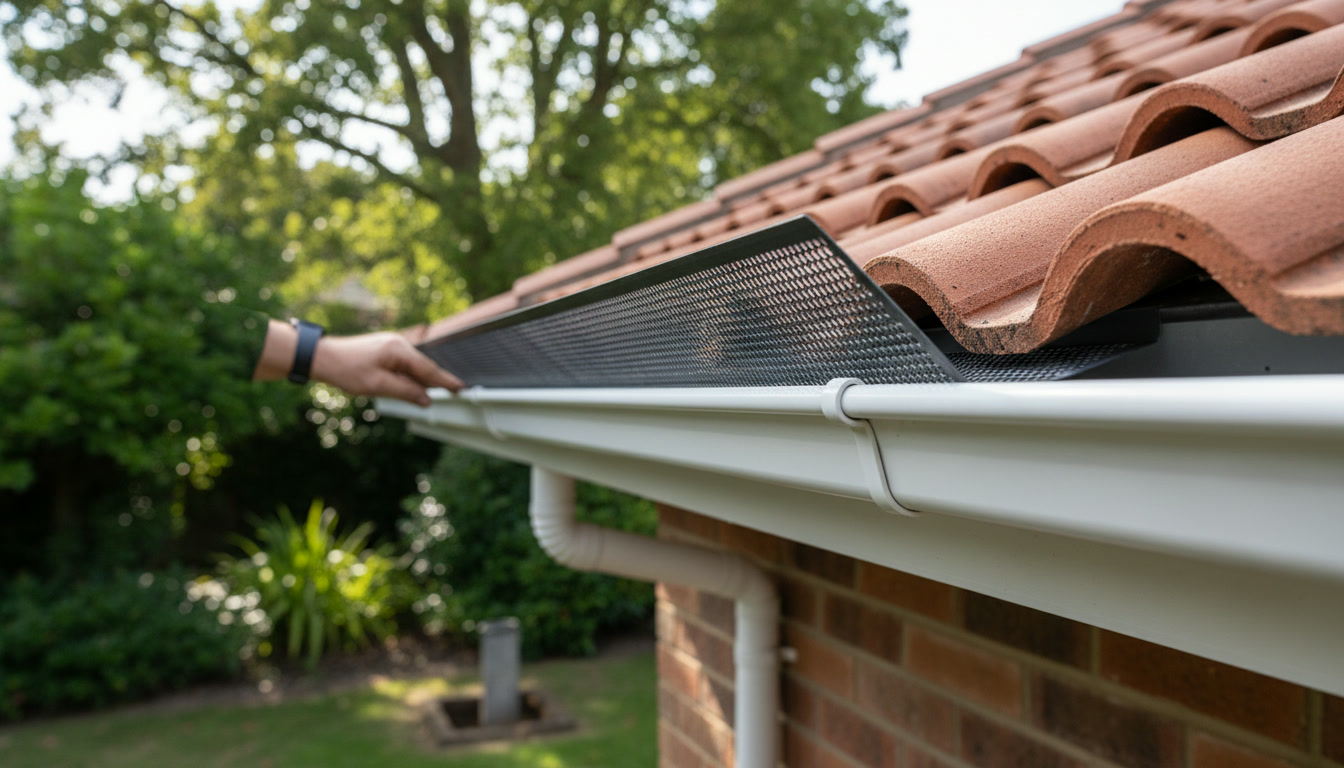
Rainwater follows gravity and roof slope toward the edges. The final inches of travel across shingle surfaces determine whether water flows cleanly into gutters or seeps beneath roofing materials. Starter strips extend approximately half an inch beyond the drip edge, creating a defined pathway that guides water away from fascia boards and into the gutter system.
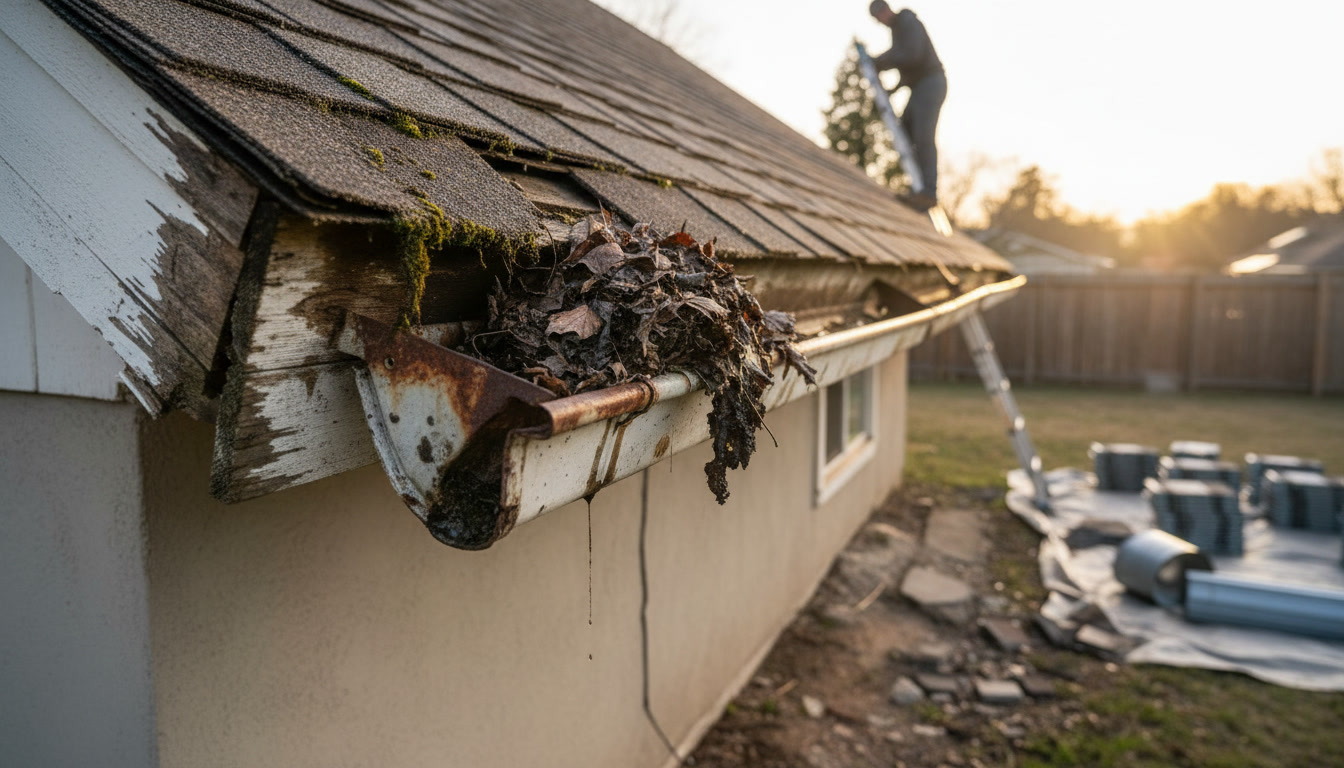
Without this extension, water can curl back under the shingle edge through capillary action. Even small amounts of moisture trapped beneath shingles cause wood rot, mold growth, and structural deterioration. The problem intensifies during freeze-thaw cycles when trapped moisture expands and contracts.
Installation Requirements That Matter in Gloucester Township
Local building codes and manufacturer specifications dictate precise installation standards. The starter course must begin flush with the roof edge along eaves and extend up rakes. Fasteners should penetrate through both the starter strip and the underlayment into solid decking, typically spaced four to six inches apart.
Temperature during installation affects adhesive performance. The sealant requires warmth to bond properly, which is why experienced contractors in Gloucester Township schedule installations during appropriate weather windows. Cold-weather installations may require manual sealing or temporary weights until temperatures allow proper adhesion.
Two Types of Starter Products and When to Use Each
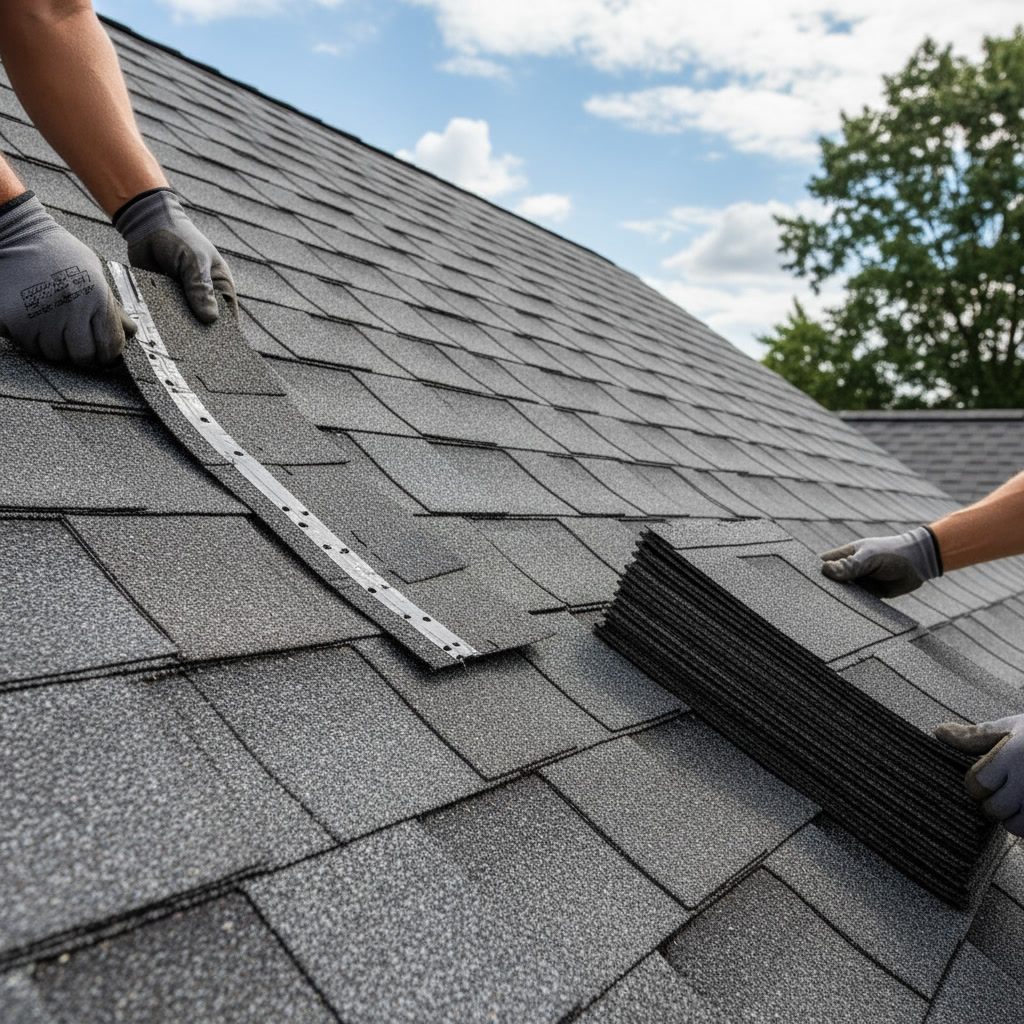
Dedicated starter strips come manufactured specifically for edge application. They feature a continuous adhesive strip along one edge and sometimes include a pre-attached drip edge component. These products deliver the most reliable performance and simplify installation.
Some contractors create field-cut starters by trimming the tabs from standard three-tab shingles and reversing them. While this approach can work, it requires additional labor and produces less consistent results than purpose-built products. The adhesive positioning may not align perfectly, and the lack of dimensional consistency can create minor installation challenges.
Stanley & Sons Roofing uses manufacturer-specific starter products that match the field shingles in composition and appearance. This ensures color consistency at edges and maintains warranty compliance across all roof components.
How They Interact With Drip Edge and Underlayment
The proper installation sequence matters significantly. Underlayment installation precedes starter placement along rakes, but the order reverses at eaves where drip edge goes down first. This sequencing creates overlapping layers that shed water away from vulnerable roof edges.
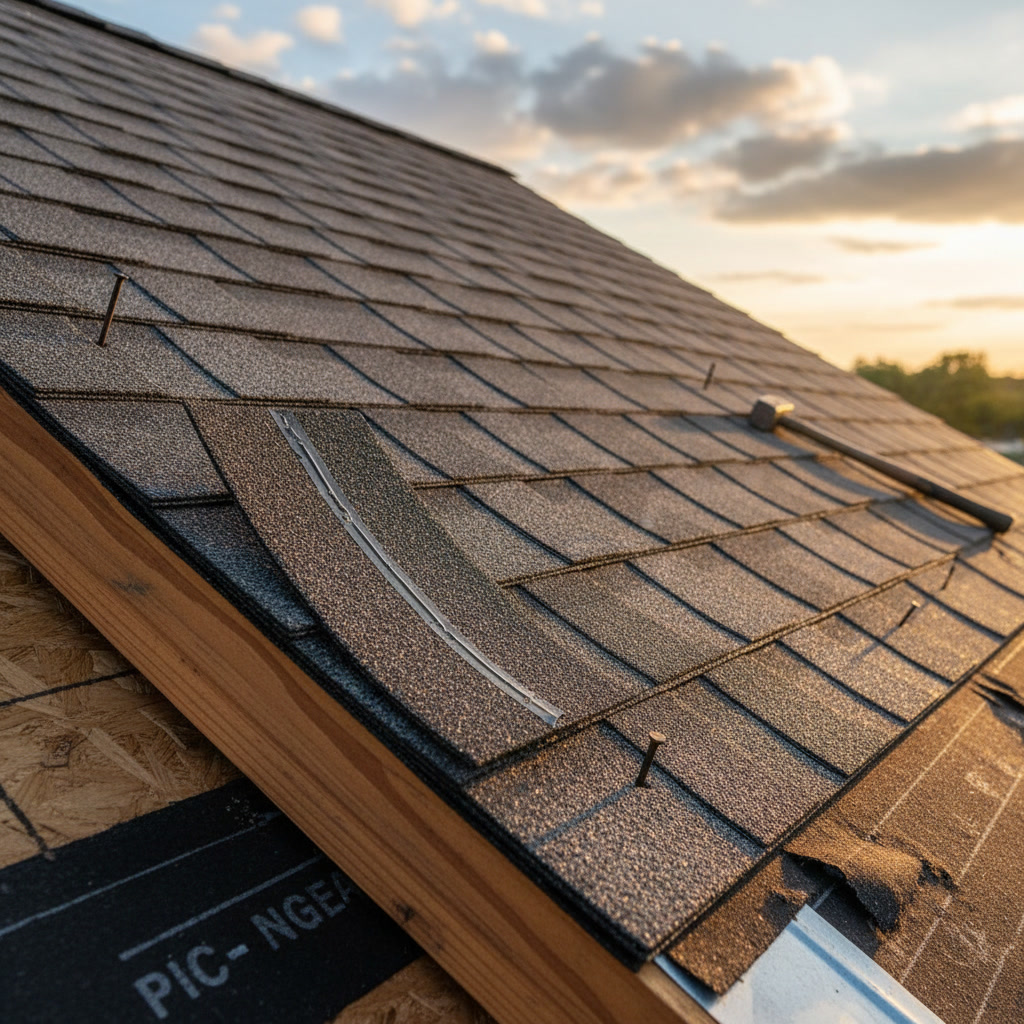
The starter strip sits on top of the drip edge along eaves, allowing water to flow from shingles onto the metal and into gutters. Along rakes, the starter strip butts against the drip edge side, maintaining the same water-shedding principle. These details seem minor but determine whether edge assemblies perform correctly over decades of exposure.
Common Installation Mistakes That Compromise Performance
Several installation errors occur frequently enough to warrant attention. Skipping starter strips entirely represents the most serious problem, though it happens less often than it once did. More common issues include insufficient overhang, improper fastener placement, and gaps between starter sections.
Contractors sometimes install starter strips upside down, placing the adhesive strip where it cannot bond with field shingles. This mistake negates the entire purpose of the component. Another frequent error involves using leftover shingles from previous jobs that do not match the current project in composition or thickness, creating uneven starter courses that telegraph through the finished roof.
Homeowners researching whether they need a new roof should ask contractors specific questions about starter strip specifications and installation methods during estimates.
How They Affect Warranty Coverage
Most major shingle manufacturers require proper starter course installation as a condition of their warranty coverage. The fine print in warranty documentation specifies installation standards that include starter strips as mandatory components. Failure to include them can void coverage entirely, leaving homeowners without recourse if premature failure occurs.
Enhanced warranties that extend coverage beyond standard terms almost always require third-party inspection or certified contractor installation. Inspectors specifically verify starter strip presence and proper installation during these assessments. The relatively small material cost of starter products protects the much larger investment in roof replacement and warranty protection.
The Cost Difference Between Proper and Shortcut Methods
Dedicated starter strip products add approximately 75 to 150 dollars in material cost to an average residential roof project. This represents less than two percent of total project cost for most homes. The labor to install them properly adds minimal time since the edge work must happen regardless of which products contractors use.
Repair costs from omitted or improperly installed starters far exceed this small upfront investment. Edge repairs typically require removing multiple courses of field shingles to access and correct the starter course. This work costs substantially more than the original installation would have, and it may not be covered under warranty if the initial installation violated manufacturer specifications.
Protecting Your Investment With Professional Installation
The technical details surrounding proper roof edge construction highlight why professional installation matters. Experienced contractors understand the interaction between components and follow sequences that ensure long-term performance. They stock manufacturer-matched products and maintain relationships that provide access to technical support when unusual conditions arise.
DIY roof repairs rarely address starter courses correctly because homeowners typically focus on visible damage rather than underlying causes. A loose shingle at the roof edge often indicates a starter strip problem, but temporary fixes that address only the visible symptom leave the root cause unresolved.
Quality installations incorporate these critical components from the beginning, eliminating problems before they develop. Homeowners in Voorhees Township, Washington Township, and surrounding communities benefit from choosing contractors who prioritize proper edge construction alongside visible aesthetics.
Building Roofs That Perform for Decades
Starter strip installation represents one of dozens of technical details that separate adequate roofs from exceptional ones. These components work invisibly beneath field shingles, protecting edges from wind and water damage while maintaining manufacturer warranty coverage. The small upfront investment prevents costly repairs and extends roof lifespan significantly.
Professional installation ensures every component works together as an integrated system rather than a collection of individual parts. Stanley & Sons Roofing incorporates manufacturer-specified starter products into every residential project, following installation sequences that maximize performance and longevity. Our approach addresses the details that matter most to long-term roof protection.
If you are planning a roof replacement or concerned about edge damage on your current roof, contact our team at +18562279555 to schedule a comprehensive inspection. We will evaluate your entire roof system and recommend solutions that protect your home properly from the edges inward.