Damaged gutters silently threaten your roof’s structural integrity every time it rains. When gutters fail to channel water away properly, moisture seeps under shingles, rots roof decking, and eventually causes interior leaks. Recognizing the signs gutters need repair early prevents thousands of dollars in roof damage and protects your home’s foundation from water-related problems.
Most homeowners only notice their gutters during heavy storms or when problems have already escalated. Yet gutters work constantly to protect your roof system, moving hundreds of gallons of water away from vulnerable areas during every rainfall.
How Gutters Protect Your Entire Roofing System
Your gutter system serves as the final component of comprehensive roof protection. After water runs off shingles and down roof slopes, gutters catch and direct it through downspouts away from your foundation. Without properly functioning gutters, water pools along roof edges, penetrates fascia boards, and creates the perfect conditions for rot.
The fascia boards that support your gutters also form the mounting surface for the bottom row of shingles. When water saturates these boards, the entire roof edge becomes compromised. This connection explains why gutter maintenance directly impacts roof longevity.
Water Spilling Over Gutter Edges During Rainfall
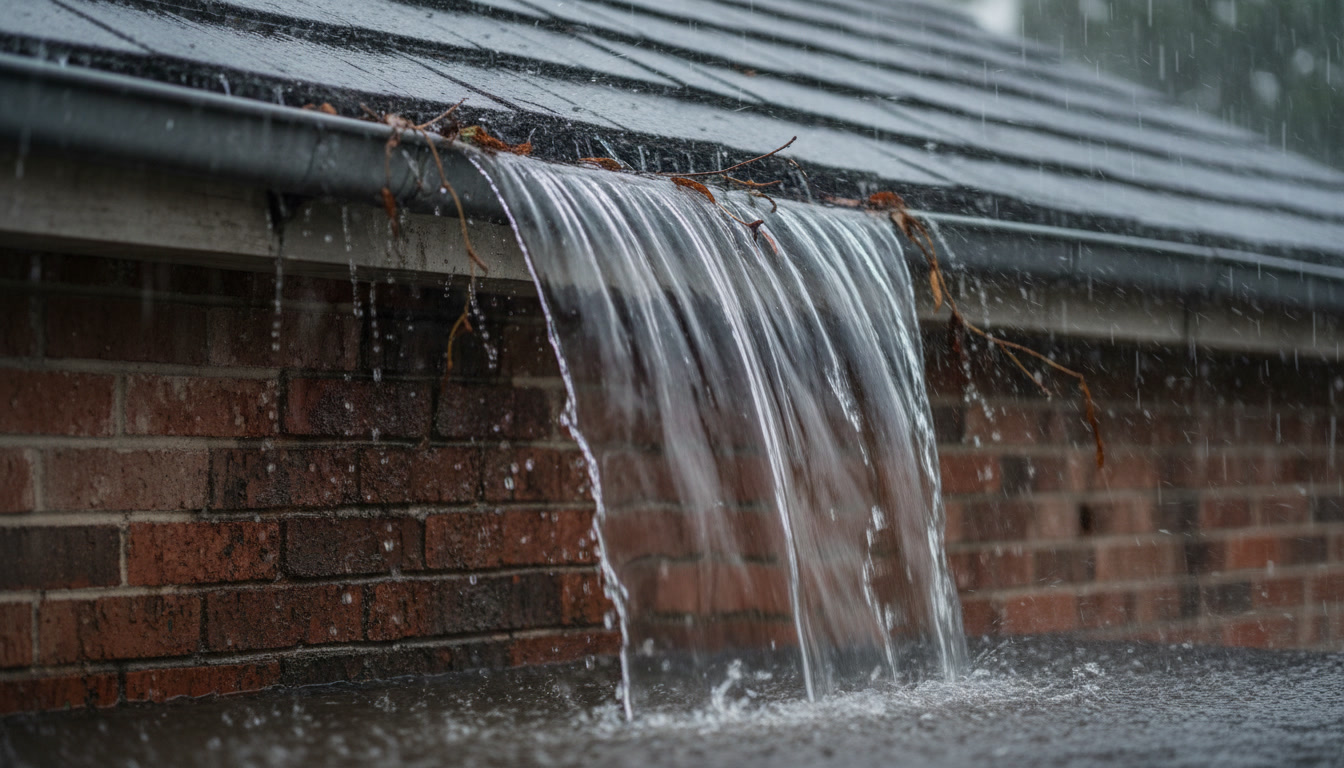
When you notice water cascading over gutter sides instead of flowing through downspouts, your gutters have either clogged or lost their proper slope. This overflow frequently occurs in specific sections rather than along the entire length, indicating localized blockages or sagging.
Overflowing gutters dump water directly against your home’s exterior walls and foundation. More importantly, the constant moisture exposure along roof edges accelerates wood rot in fascia boards and roof decking. Within a single season, this water damage can progress from surface staining to structural deterioration requiring extensive roof repair work.
Sagging or Pulling Away From the Roofline
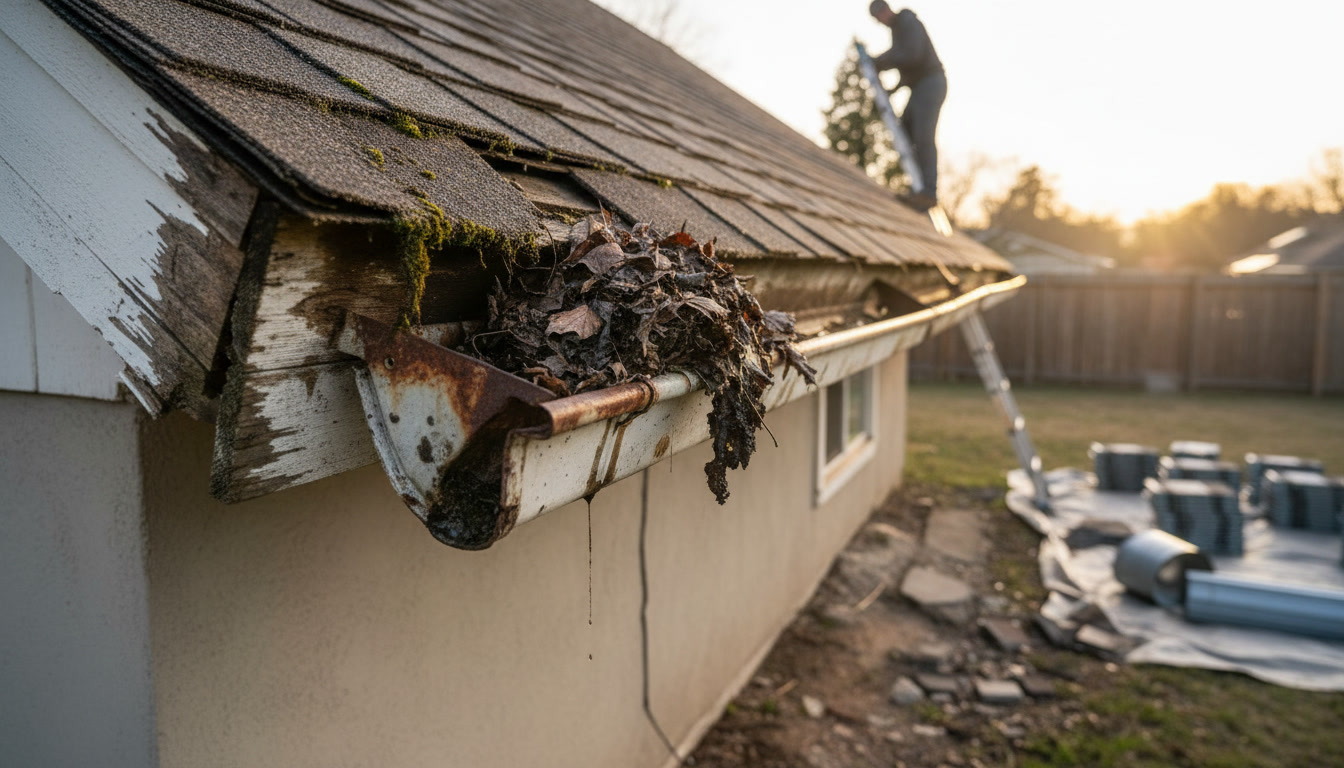
Gutters that visibly sag or separate from fascia boards signal failing hardware or water-damaged wood backing. The average five-inch residential gutter weighs approximately four pounds per linear foot when empty. Add debris and standing water, and that weight triples or quadruples.
Sagging creates low spots where water pools instead of draining. These standing water pockets breed mosquitoes, accelerate rust in metal gutters, and stress mounting brackets beyond their design limits. The pulling force eventually loosens fascia boards themselves, creating entry points for water to reach roof decking.
Visible Cracks, Holes, or Rust Spots
Small cracks in gutter seams expand with freeze-thaw cycles and thermal expansion. What starts as a hairline fracture becomes a quarter-inch gap within two seasons. Rust perforations in metal gutters follow a similar progression, beginning as surface oxidation before eating through the material entirely.
These openings allow water to escape behind gutters rather than flowing toward downspouts. The trapped moisture saturates fascia boards and soffit materials, creating hidden rot that only becomes visible after significant damage has occurred. In Gloucester Township’s climate with its freeze-thaw cycles, this deterioration accelerates rapidly.
Paint Damage or Mildew Below Gutter Lines in Gloucester Township
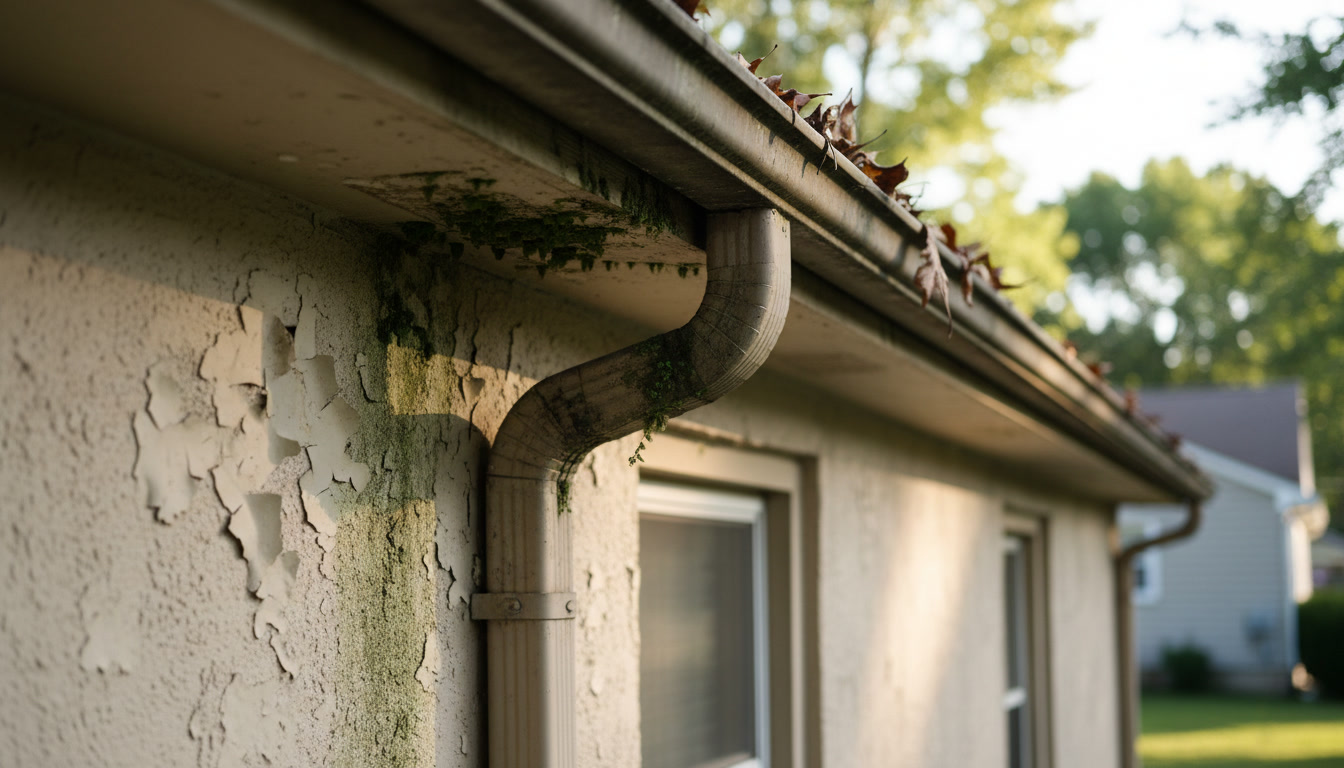
Peeling paint, water stains, or dark mildew streaks on exterior walls directly below gutters indicate water escaping the system. This visible damage appears months before interior leaks develop, giving you an early warning window.
The same moisture causing exterior staining simultaneously penetrates fascia boards and roof edges. Homeowners across communities like Voorhees Township and Washington Township often dismiss these marks as cosmetic issues, not realizing they signal active water infiltration threatening their roof structure.
Eroded Landscaping or Soil Channels Near Your Foundation
Deep channels carved into mulch beds or exposed soil trenches directly below roof edges reveal where water consistently pours from failed gutters. These erosion patterns develop when gutters dump concentrated water streams rather than dispersing flow through proper downspouts.
Foundation problems follow quickly behind. The same volume of water eroding your landscaping saturates foundation walls, increases hydrostatic pressure in basements, and can cause settling or cracking. While the immediate concern centers on foundation integrity, roof damage progresses simultaneously as moisture wicks up into fascia boards and soffit areas.
Eight Specific Warning Signs That Require Immediate Attention
Professional inspectors evaluate multiple indicators when assessing gutter condition. Understanding these technical signs helps you identify problems before visible damage appears:
- Gutter seams separating by more than one-eighth inch, even if not actively leaking
- Downspouts disconnected at elbows or pulling away from wall mounting brackets
- Standing water visible in gutters 24 hours after rainfall has stopped
- Gutter spikes or hangers protruding from fascia boards with visible wood damage
- Ice dams forming along roof edges during winter months
- Granules from asphalt shingles collecting in gutter bottoms in excessive amounts
- Fascia boards showing soft spots when pressed or dark water staining
- Soffit panels warping or displaying water damage near gutter lines
Each of these conditions accelerates roof system deterioration. Ice dams particularly stress both gutters and roof edges, as the weight of accumulated ice can tear gutters completely free while forcing water under shingles.
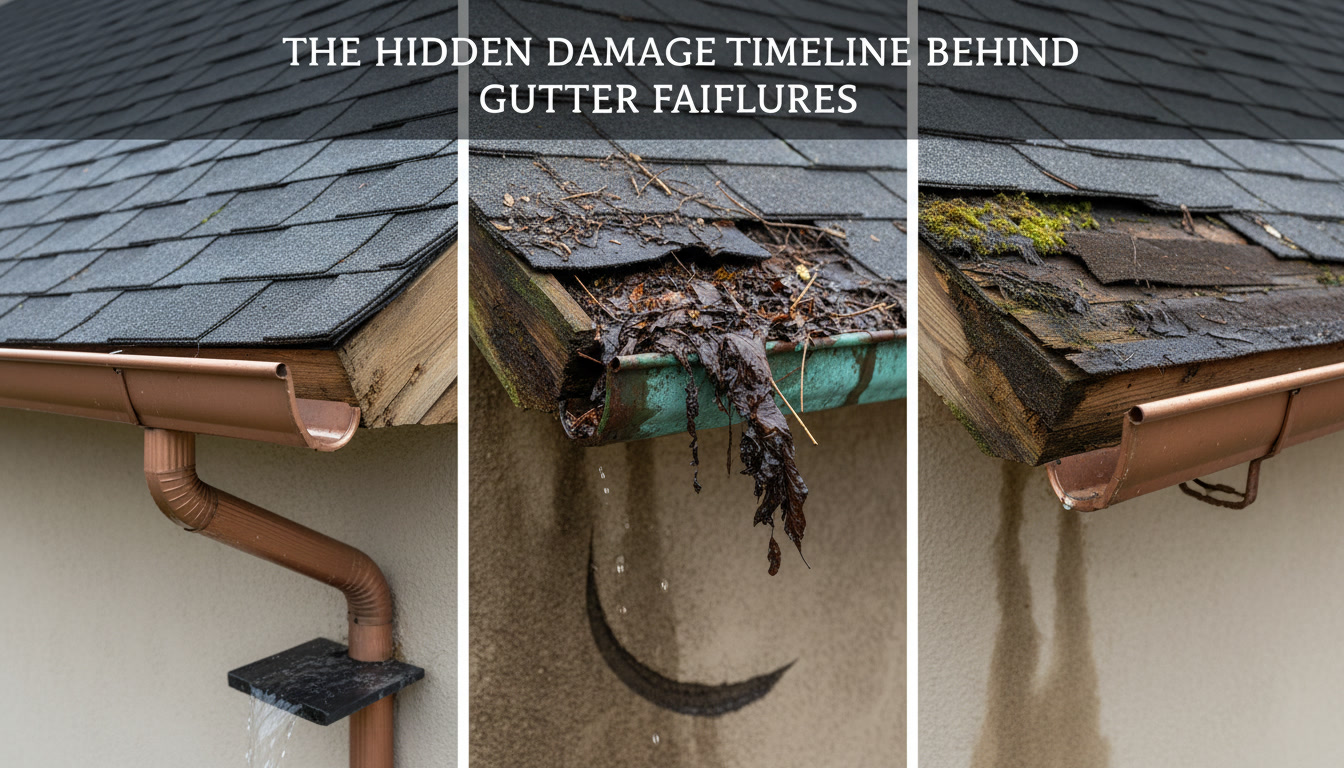
The Hidden Damage Timeline Behind Gutter Failures
Most gutter-related roof damage follows a predictable progression that remains invisible until advanced stages. During the first season of gutter failure, water begins saturating fascia boards. The wood swells during wet periods and contracts when dry, loosening nails and creating microscopic gaps.
By the second season, rot establishes itself in consistently damp areas. Fungi and wood-boring insects colonize the damaged fascia. The rot spreads horizontally along the roof edge and vertically into roof decking. At this stage, homeowners may notice nothing more than slightly peeling paint or minor gutter sagging.
Season three typically brings the first interior leaks, often appearing far from the actual damage point as water travels along rafters before dripping through ceilings. By this stage, repair costs have multiplied five to ten times compared to addressing the original gutter problem. This pattern emphasizes why recognizing early warning signs matters so much for long-term home protection.
When Repair Makes Sense Versus Full Replacement
Gutter repair works well for isolated damage affecting less than 20 percent of the total system. A single damaged section, a few loose hangers, or one leaking seam typically cost between $150 and $400 to fix professionally. These repairs extend system life by five to seven years when the remaining gutters show good condition.
Replacement becomes the better investment when damage appears in multiple locations, the gutter material shows widespread deterioration, or the system exceeds 20 years old. Modern gutter materials and installation techniques offer superior performance compared to systems installed two decades ago. Seamless aluminum gutters with concealed hangers provide leak-free performance that sectional gutters with visible spikes cannot match.
The decision also depends on your broader roofing plans. If you’re already considering residential roofing replacement, coordinating gutter installation with that project ensures optimal integration and often reduces overall costs through combined labor scheduling.
How Professional Assessment Reveals Problems You Cannot See
A thorough gutter inspection requires roof access and specialized knowledge that goes beyond ground-level observation. Professionals examine gutter slope using levels to verify proper pitch toward downspouts. The ideal slope measures one-quarter inch per 10 feet of gutter run. Variations outside this range create drainage problems even when gutters appear undamaged.
Inspectors also check hidden fastener conditions by lifting gutter edges away from fascia boards. Many mounting systems rely on hidden brackets or straps that fail while gutters still appear attached. This concealed damage only becomes apparent when gutters suddenly tear free during the next heavy rain or ice accumulation.
The fascia board condition assessment proves equally important. Professionals probe boards with tools to identify soft spots indicating rot, even when surfaces look intact. This investigation often reveals damage requiring immediate attention to prevent roof structure compromise. Homeowners examining gutters from the ground miss these critical indicators entirely.
Prevention Strategies That Extend Gutter and Roof Lifespan
Twice-yearly gutter cleaning in spring and fall removes debris before blockages form. Most residential gutters require cleaning after trees drop leaves in autumn and again after spring seed dispersal. Properties with overhanging branches may need quarterly service to maintain proper function.
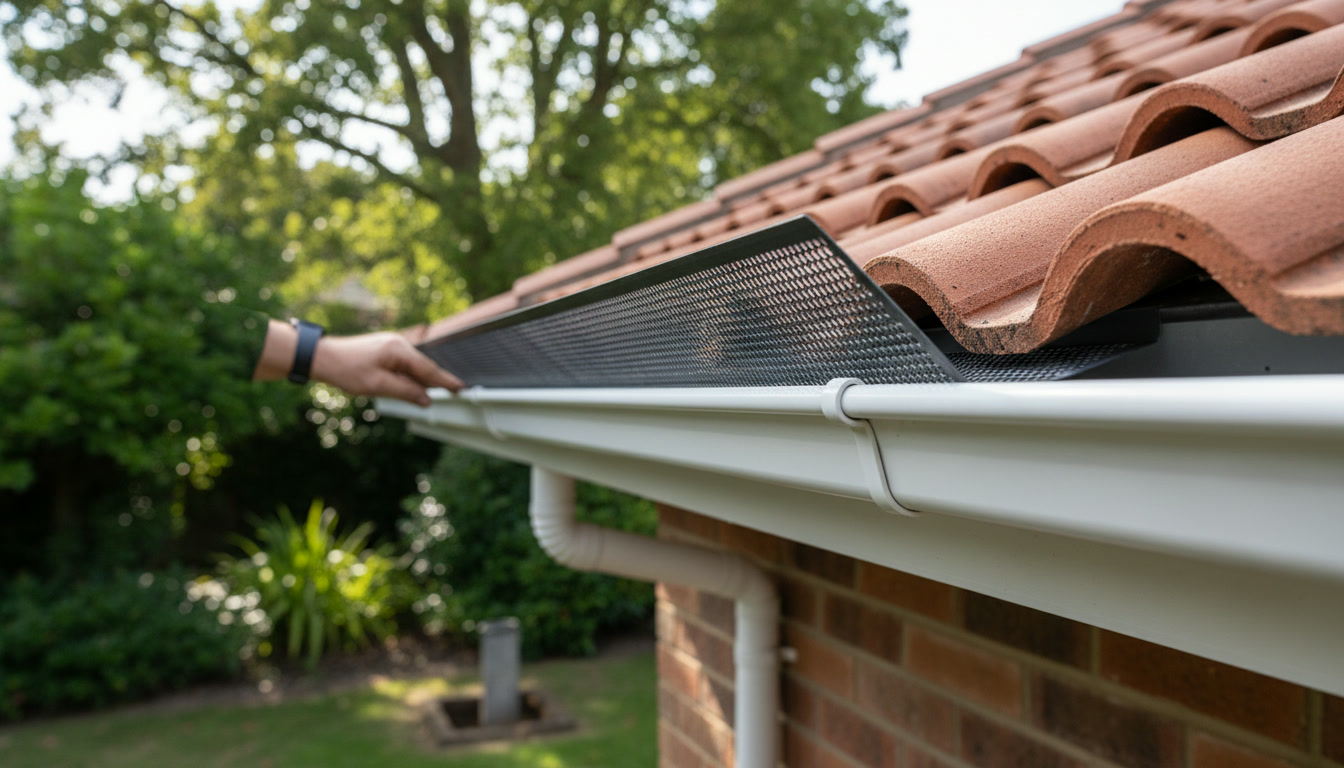
Leaf guard systems dramatically reduce maintenance requirements while preventing the debris accumulation that causes most gutter failures. Quality guards pay for themselves within three to five years through eliminated cleaning costs and prevented damage. They also eliminate the safety risks associated with ladder work for homeowners who attempt their own maintenance.
Annual professional inspections catch developing problems while repairs remain minor and inexpensive. These inspections typically cost $100 to $200 but identify issues that would otherwise progress to thousand-dollar damage. The inspection also provides documentation of proper maintenance, which some roofing warranties require to remain valid.
Protecting Your Investment Through Proactive Gutter Care
Your gutter system represents a small fraction of your home’s value but protects the most expensive components. The relatively minor cost of maintaining or replacing gutters prevents roof damage that costs 10 to 20 times more to repair. Recognizing warning signs early gives you control over timing and costs rather than facing emergency repairs during the worst weather.
Regular attention to gutter condition also protects your foundation, landscaping, and interior finishes from water damage. The comprehensive protection gutters provide makes them one of the most cost-effective home maintenance priorities.
Stanley & Sons Roofing provides complete gutter evaluation and installation services that protect your roof system for decades. Our experienced team assesses both gutter condition and the roof components they protect, identifying problems before they escalate into expensive damage. Contact us at +18562279555 to schedule a comprehensive inspection that safeguards your home investment.