Homeowners often struggle to determine whether their roofing system requires simple fixes or complete replacement. The signs need new roof evaluation depends on multiple factors including age, extent of damage, and whether problems affect localized areas or the entire structure. A repair might cost a few hundred dollars and last several years, while delaying necessary replacement can lead to interior damage costing tens of thousands. Understanding these indicators helps you make informed decisions that protect both your property and your budget.
Understanding Roof Lifespan and Material Expectations
Every roofing material comes with a predictable service life that guides replacement timing. Asphalt shingles typically last 20 to 25 years, while architectural shingles can reach 30 years under ideal conditions. Metal roofing systems often perform well for 40 to 70 years, and slate or tile installations can exceed a century with proper maintenance.
Your system’s age serves as the foundation for all other assessments. If your roof approaches or exceeds its expected lifespan, replacement usually makes more financial sense than repairs. Even minor problems on an aging roof signal that other components will soon fail, creating a cascade of repair needs that quickly surpass replacement costs.
The Critical Difference Between Isolated Damage and Systemic Failure
A few damaged shingles after a storm represent an isolated problem suitable for targeted repair work. Your contractor can replace the affected materials, and the system continues protecting your home effectively. These situations arise from specific events like fallen branches or localized wind damage.
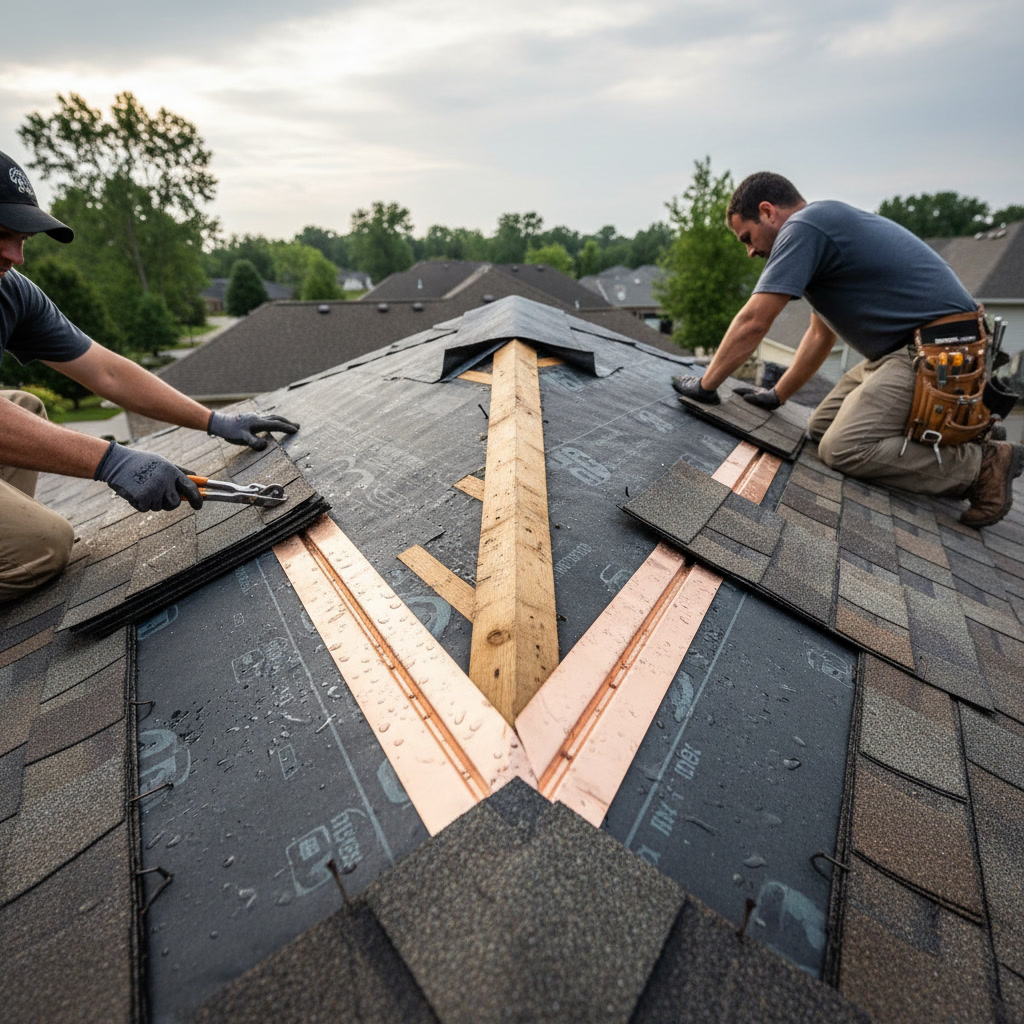
Systemic failure presents differently. When problems appear across multiple roof sections, the underlying structure has likely deteriorated beyond the point where repairs provide lasting solutions. Widespread granule loss, curling shingles in various areas, or multiple leak locations all indicate comprehensive system breakdown requiring full replacement.

Shingle Deterioration Patterns That Signal Replacement
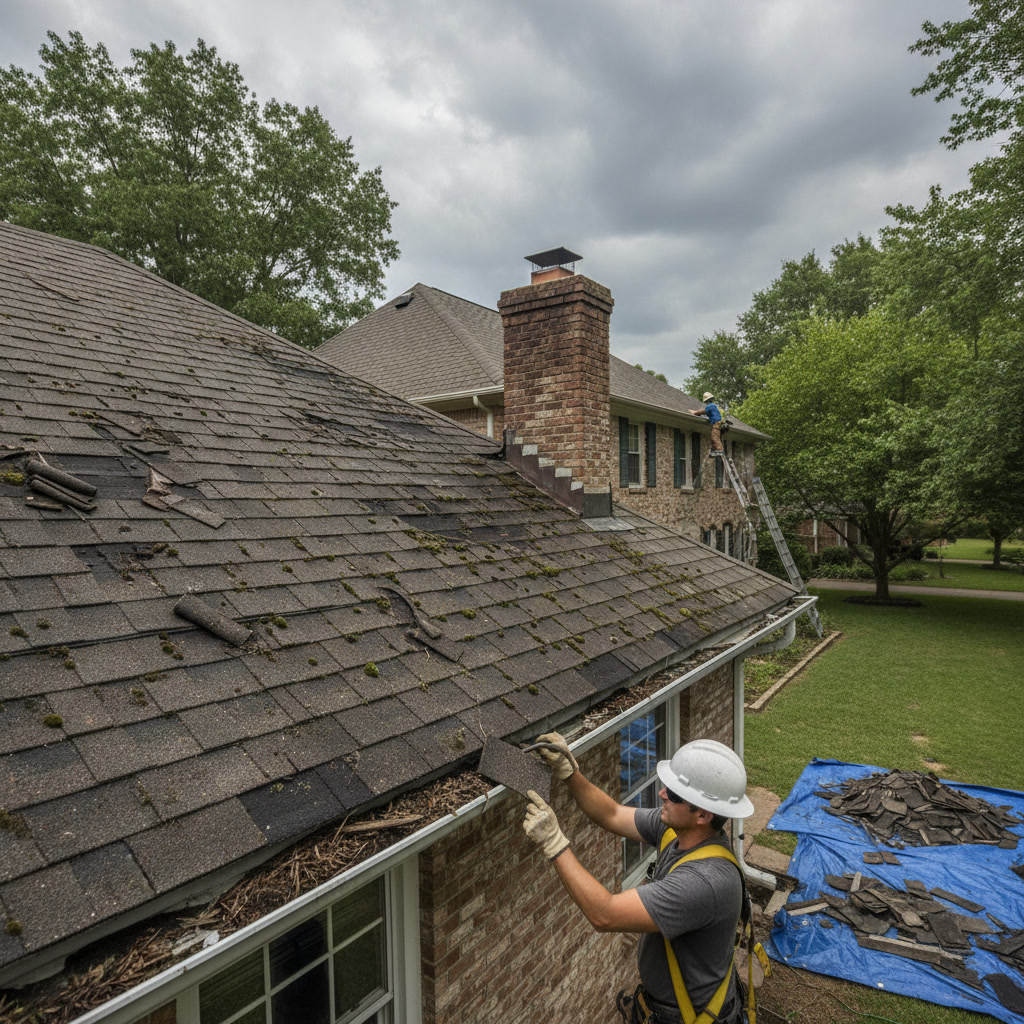
Healthy shingles lie flat against your roof deck, maintaining their shape and protective granule coating. Several deterioration patterns indicate the material has reached the end of its useful life and repairs won’t restore adequate protection.
Curling occurs when shingle edges lift upward or the centers bubble outward. This happens as the asphalt base loses flexibility due to years of thermal cycling. Curled shingles allow water infiltration and become vulnerable to wind damage. When curling affects more than 20 percent of visible shingles, replacement becomes necessary.
Granule loss accelerates as shingles age. These ceramic-coated particles protect the asphalt from UV damage and provide fire resistance. Check your gutters after rain. A few granules are normal, but accumulations resembling coarse black sand indicate advanced deterioration. Bare spots on shingles where black asphalt shows through mean the material can no longer perform its protective function.
Structural Deck Problems Visible from Inside Your Home
Your attic reveals critical information about roof deck condition that exterior inspections might miss. Grab a flashlight and look for these warning signs on a sunny day.
Light penetrating through the roof deck indicates holes, separated boards, or deteriorated materials. Even pinpricks of light mean water can enter during rain. This problem requires immediate attention because moisture infiltration rapidly accelerates structural damage.
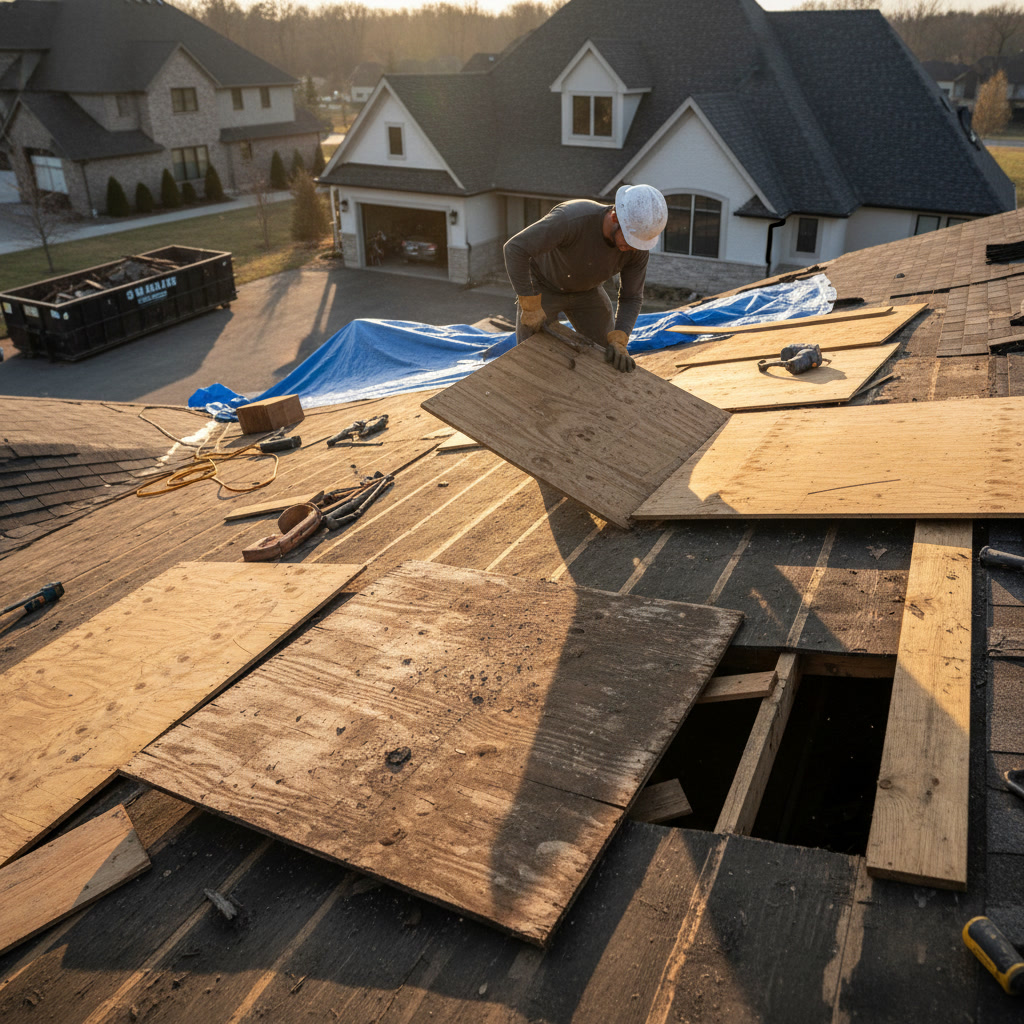
Sagging areas in your roof deck signal serious structural compromise. The plywood or board sheathing may have rotted due to prolonged moisture exposure, or supporting rafters have weakened. Surface repairs cannot address this underlying failure. The damaged decking requires replacement, and if deterioration spans large sections, full roof replacement makes economic sense.
Water Damage and Leak Patterns in Washington Township Homes
Water stains on ceilings or running down interior walls clearly indicate roofing system failure. The challenge lies in determining whether the leak stems from a repairable isolated breach or represents broader system compromise.
Single leak locations with obvious causes like damaged flashing around a chimney or skylight typically qualify for repair. Your contractor can address the specific failure point and restore protection. However, multiple leak locations appearing after typical rainfall suggest widespread vulnerabilities that repairs cannot adequately address.
Stanley & Sons Roofing evaluates leak patterns to provide honest assessments about repair viability versus replacement needs. Water damage in attic insulation, visible mold growth, or rotted framing members around leak sites indicate the problem has existed long enough to cause structural harm requiring comprehensive solutions.
The Compounding Cost Factor of Repeated Repairs
Many homeowners fall into a costly trap of continuous patch repairs on failing systems. This approach feels economical in the moment but typically costs more than planned replacement over just a few years.
Track your repair expenses over the past three to five years. If you’ve spent more than 30 percent of a replacement cost on repairs, you’re likely throwing money at a system that cannot deliver reliable long-term performance. Each repair addresses a symptom while the underlying deterioration continues unchecked.
Consider this expert insight: roofing systems fail gradually, then suddenly. The gradual phase involves increasing repair frequency as various components reach their service life. The sudden phase happens when multiple failures occur simultaneously, often causing significant interior damage. Replacing the system during the gradual phase prevents the catastrophic costs of the sudden phase.
Missing or Damaged Shingles Across Large Roof Sections
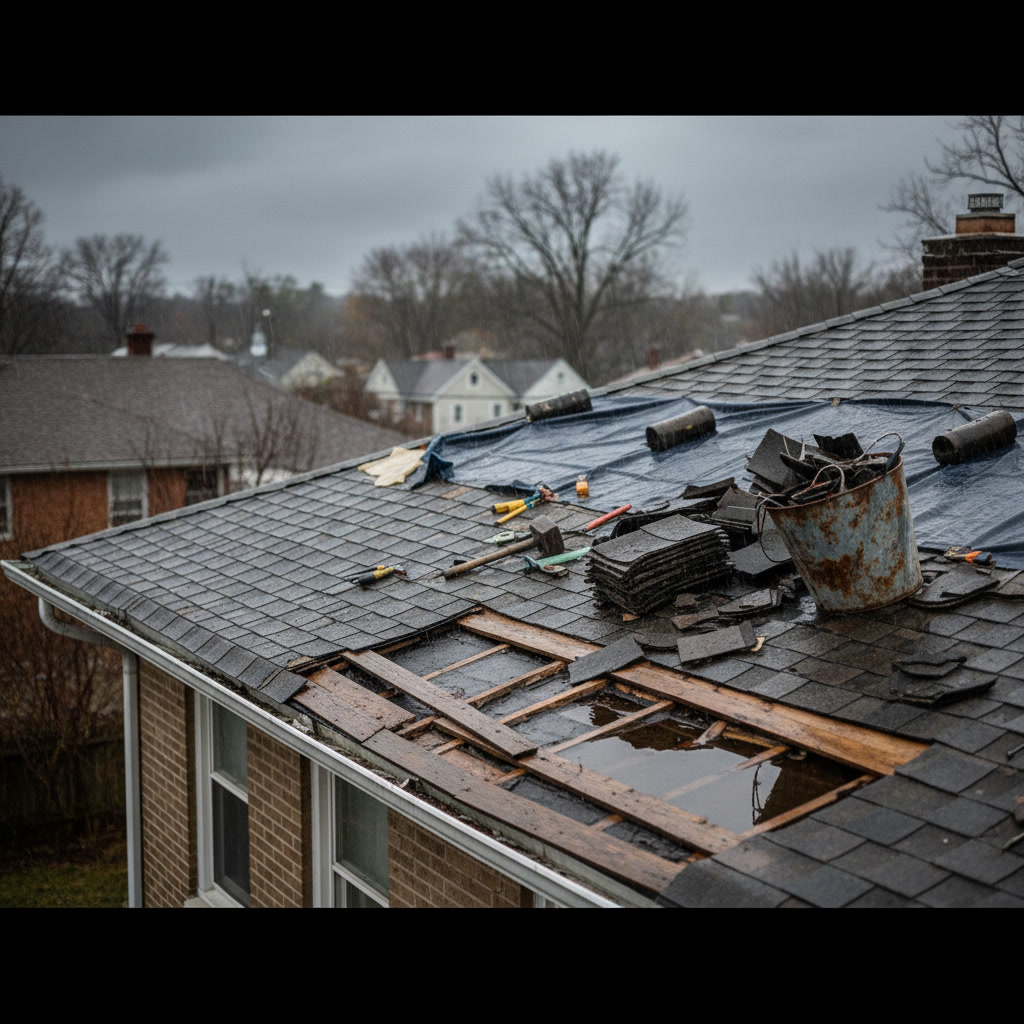
Storm damage sometimes tears away shingles in clusters, leaving exposed underlayment or deck. The question becomes whether the remaining shingles maintain sufficient integrity to warrant partial replacement.
If damage affects less than 30 percent of a single roof plane and surrounding materials appear healthy, roof repair typically suffices. Your contractor can match existing shingles reasonably well, and the patched section blends with undamaged areas.
Damage exceeding 30 percent of total roof area creates problems. Replacement shingles rarely match aged materials perfectly, creating visible patchwork that affects home appearance. More importantly, if current damage is extensive, the remaining aged shingles will likely fail soon, requiring additional work and expense.
Ventilation Problems and Their Impact on System Longevity
Inadequate attic ventilation dramatically shortens roof lifespan by trapping heat and moisture. Summer temperatures in poorly ventilated attics can exceed 160 degrees, cooking shingles from underneath and causing premature failure.
Winter moisture problems prove equally destructive. Warm air from living spaces rises into cold attics, creating condensation that saturates insulation and rots wood structures. Ice dams form when this heat melts snow on the roof, and water refreezes at eaves, backing up under shingles.
If your roof shows premature aging symptoms and your attic lacks proper intake and exhaust ventilation, replacement provides an opportunity to correct this fundamental problem. Modern installations incorporate balanced ventilation systems that protect your investment and dramatically extend system life. Repairing an inadequately ventilated roof simply restarts the clock on predictable premature failure.
When Insurance and Energy Efficiency Drive the Decision
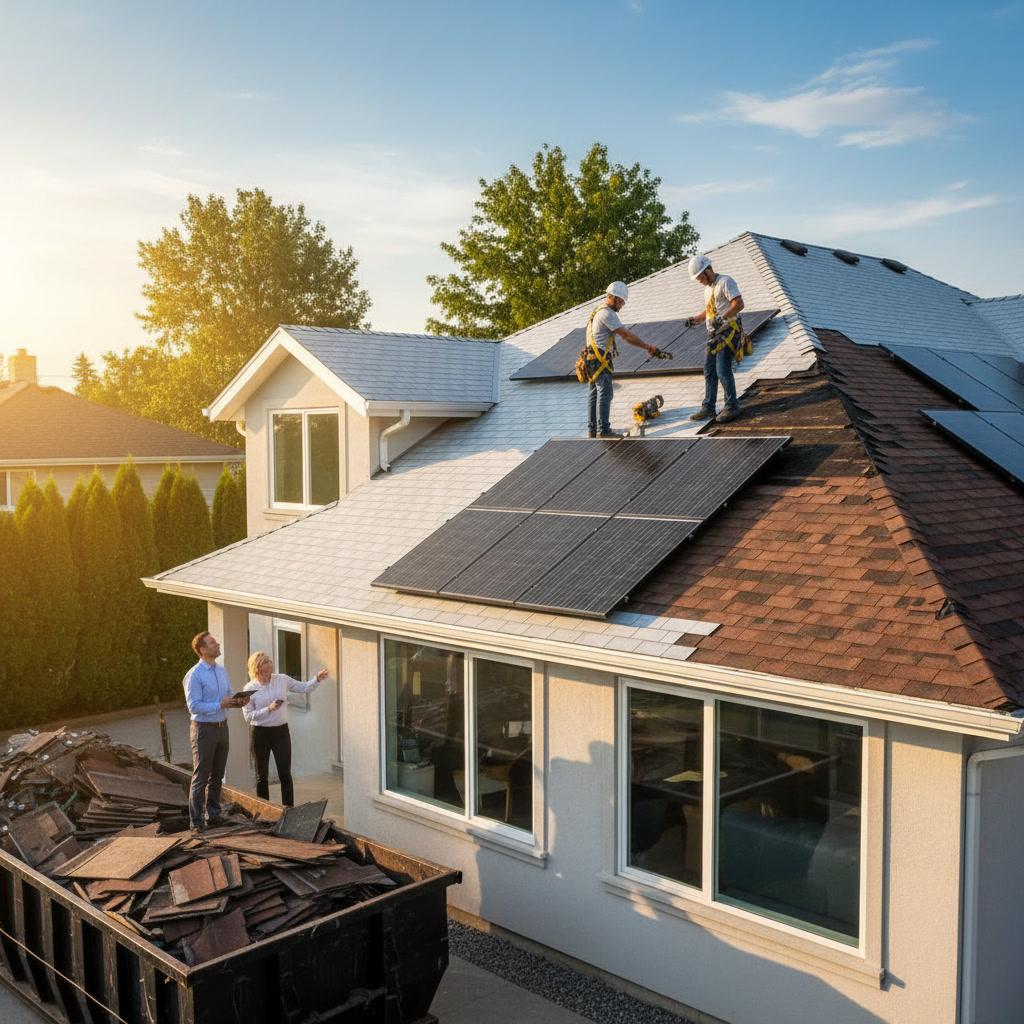
Property insurance companies increasingly refuse to renew policies or charge premium surcharges for homes with roofs older than 15 to 20 years. This financial pressure often tips the scale toward replacement even when the system still provides basic weather protection.
Energy efficiency considerations add another dimension. Modern residential roofing materials reflect significantly more solar radiation than products from 20 years ago. Cool roof technologies can reduce attic temperatures by 30 to 40 degrees during summer, cutting cooling costs by 15 to 25 percent in typical homes.
If you plan to sell your home within five years, replacement provides better return on investment than repairs. Prospective buyers view new roofing as a major selling point that reduces their near-term maintenance concerns and often justifies higher offers that recover much of your installation cost.
Moss, Algae, and Organic Growth Indicators
Dark streaks running down roof slopes typically result from algae growth that feeds on limestone filler in shingles. While unsightly, algae alone doesn’t necessarily require replacement. Professional cleaning can restore appearance on systems with remaining service life.
Moss presents a more serious concern. Unlike algae that grows on the surface, moss roots work between and under shingles, lifting them and allowing water penetration. Thick moss growth indicates the problem has existed for years, and the shingles underneath have likely suffered damage that cleaning cannot reverse.
Heavy moss coverage combined with other deterioration signs like granule loss or curling strongly suggests replacement. The underlying damage extends beyond visible surface problems, and moss removal without addressing compromised materials leaves your home vulnerable to leaks and further deterioration.
Protecting Your Home with the Right Decision
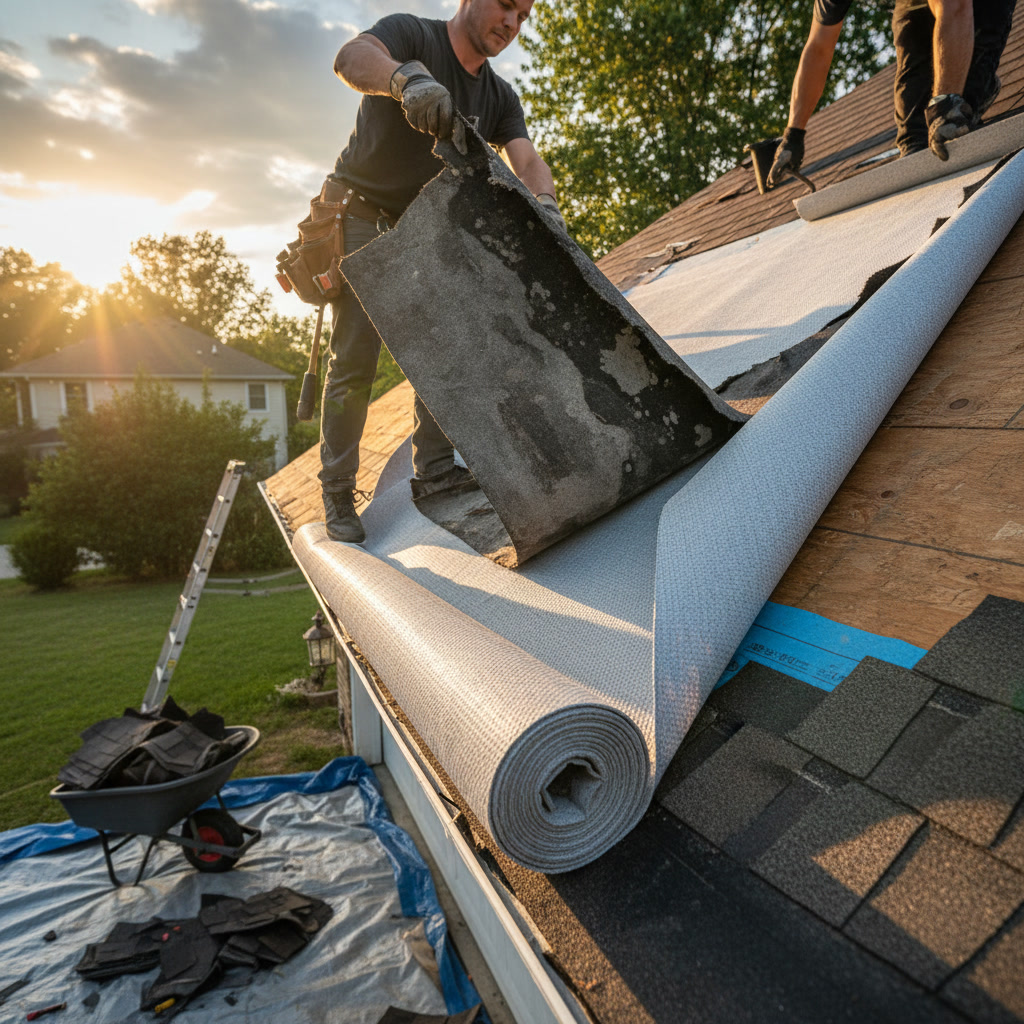
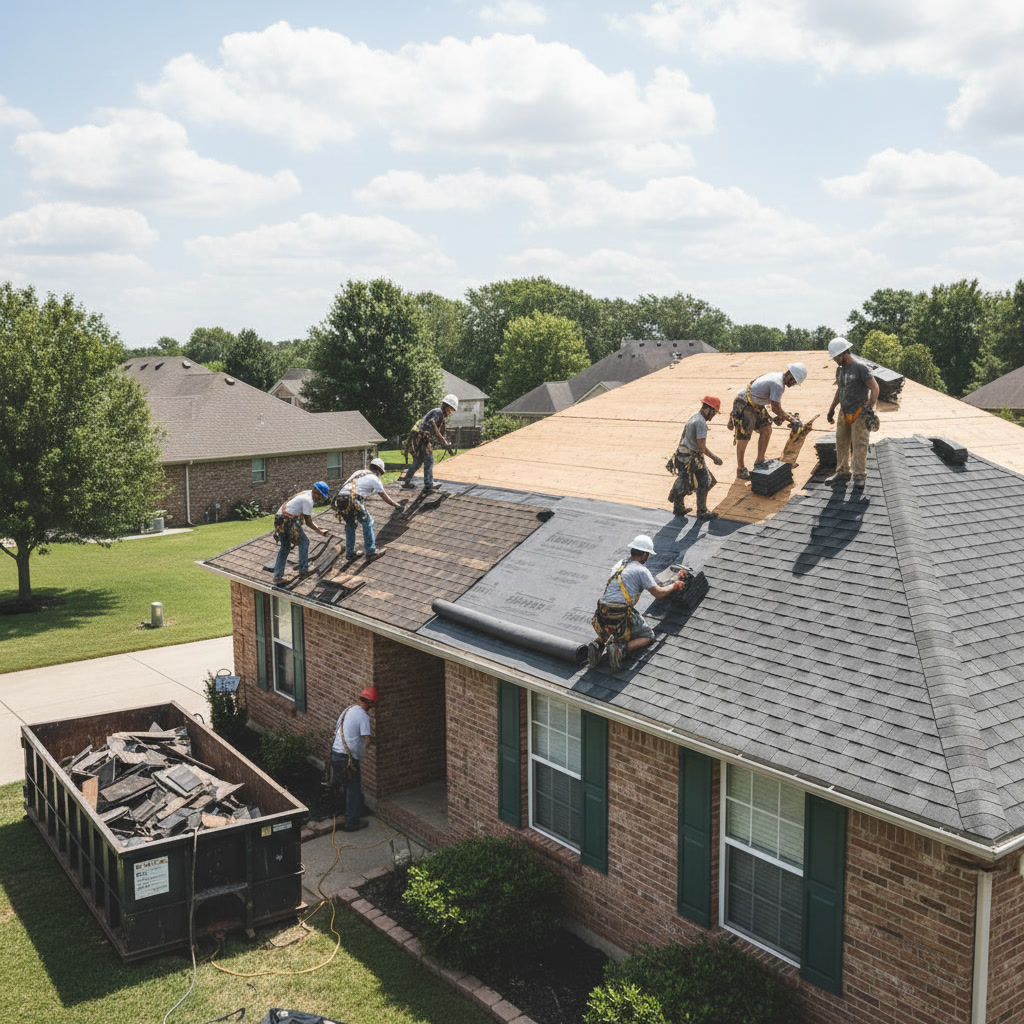
The choice between repair and replacement ultimately depends on your roof’s remaining service life, the extent and pattern of damage, and your plans for the property. Systems approaching their expected lifespan with multiple problem areas almost always require replacement to provide reliable long-term protection. Isolated damage on relatively young roofs typically qualifies for cost-effective repair that extends system life.
Professional inspection removes guesswork from this important decision. Experienced contractors assess all relevant factors and provide honest recommendations based on your specific situation rather than pushing unnecessary replacement or inadequate repairs.
Stanley & Sons Roofing provides thorough roof assessments throughout Turnersville and surrounding New Jersey communities. Our certified technicians evaluate your system’s condition, explain all available options, and deliver reliable solutions tailored to your needs and budget. Contact us at +18562279555 to schedule your professional roof evaluation and receive expert guidance on the best path forward for your home.