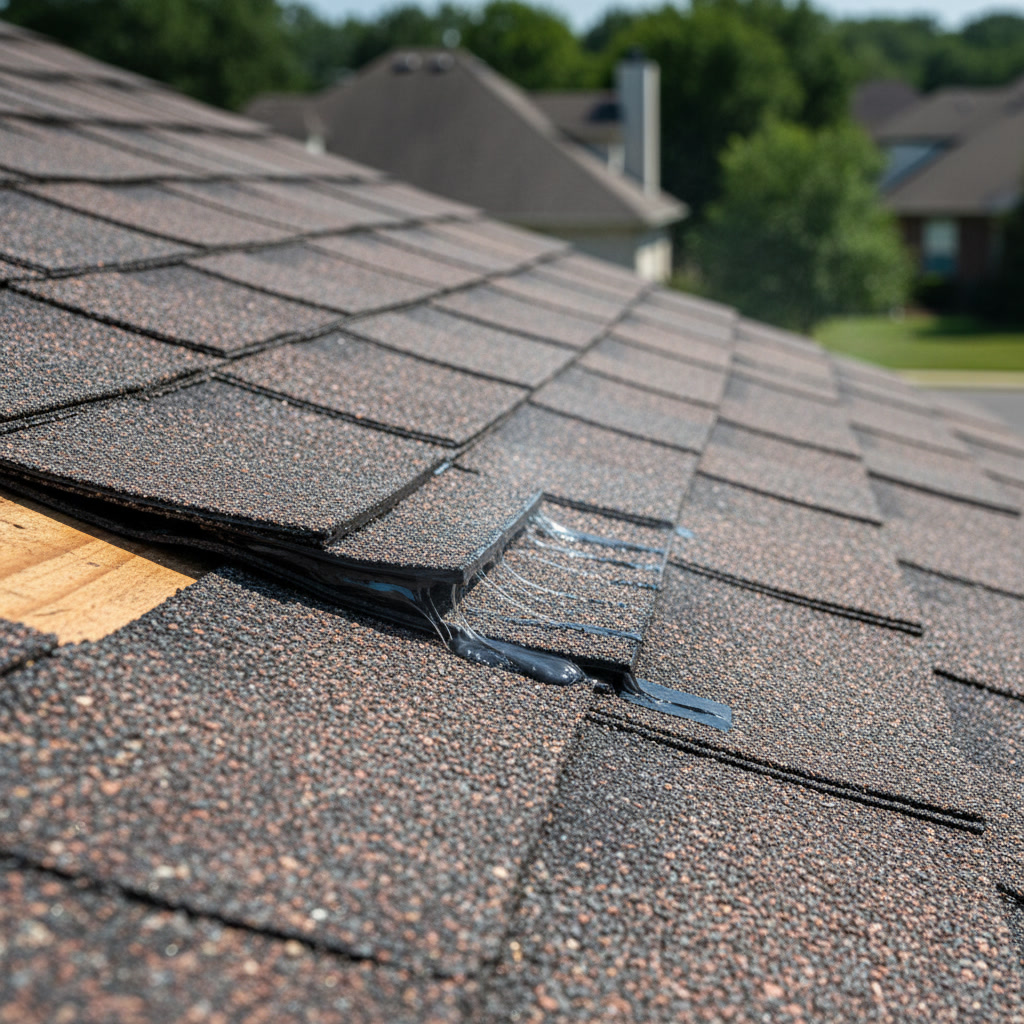
Asphalt shingles rely on adhesive strips that bond each shingle to the one below it, creating a weather-tight seal across your entire roof. When these strips fail to activate or break free over time, you see roof shingles lifting, curling, or blowing off completely during storms. The bond depends on heat from the sun activating a thermally sensitive adhesive, but installation errors, temperature extremes, and material defects can all prevent proper sealing.
How Asphalt Shingle Design Creates Protection
Standard three-tab and architectural shingles feature a strip of asphalt-based adhesive on the underside of each shingle. This strip sits approximately five to six inches from the bottom edge. When installers overlap shingles during installation, this adhesive strip contacts the top surface of the shingle below it. The system creates multiple layers of protection that shed water while remaining flexible enough to expand and contract with temperature changes.
The adhesive strip contains thermally activated compounds that remain semi-solid at cool temperatures. Once exposed to sunlight and warmth, typically around 140 degrees Fahrenheit, the adhesive softens and bonds the shingles together. This design allows shingles to lay flat during installation without sticking to each other in the bundle, then seal permanently once installed on your roof.
The Activation Process That Bonds Shingles Together
After installation, your roof needs adequate sun exposure and warm temperatures for the adhesive strips to activate. In summer months, this process typically takes one to three weeks. During cooler seasons, the bonding period can extend to several months. Roofs with northern exposure or heavy shade from trees may take longer to seal completely.
Installers know that shingles installed in winter months require patience. The adhesive won’t activate until spring temperatures arrive and the roof surface warms sufficiently. During this vulnerable period, shingles rely primarily on mechanical fasteners to resist wind. Once the adhesive activates, each shingle effectively becomes part of a continuous membrane across your roof deck.
Common Installation Mistakes That Prevent Proper Sealing
Installers who rush through projects sometimes create conditions where shingles never bond correctly. Applying shingles over dirty or dusty surfaces prevents adhesive contact. Debris, sawdust, or granule buildup between layers blocks the adhesive from reaching the shingle surface below. Professional crews clean the roof deck thoroughly and work methodically to avoid contamination.
Improper nail placement also compromises the seal. Nails driven too high on the shingle can puncture through the adhesive strip of the shingle above it, creating a gap that prevents bonding. Nails placed too low fail to secure the top portion of the shingle, allowing it to lift before the adhesive activates. Experienced residential roofing technicians follow manufacturer specifications precisely, placing fasteners in the designated nailing zone.
Temperature extremes during installation create additional problems. Shingles installed in freezing conditions become brittle and crack when bent. Those installed in extreme heat may activate prematurely, bonding to adjacent shingles in the bundle or sealing before proper alignment. Professional contractors monitor weather conditions and adjust installation schedules accordingly.
Why Wind Damage Targets Inadequately Sealed Shingles in Gloucester Township
New Jersey weather patterns create significant stress on roofing systems. Strong winds from coastal storms and nor’easters probe every weakness in your roof’s defenses. When shingles haven’t sealed properly, wind catches the lifted edges and creates upward pressure. This force multiplies during gusts, eventually tearing shingles free from their fasteners.
The lifting pattern typically starts at roof edges, valleys, and ridges where wind speeds increase due to air turbulence. Once one shingle lifts, adjacent shingles experience greater stress. The damage can cascade across an entire roof section during a single storm. Homeowners often discover multiple shingles missing or damaged after severe weather events, signaling that the adhesive seal had failed across a broader area.
Material Defects and Quality Issues
Not all sealing failures stem from installation errors. Manufacturing defects occasionally produce shingles with inadequate adhesive coverage or contaminated strips. Budget-grade shingles sometimes use lower-quality adhesive formulations that don’t bond as reliably as premium products. These materials may pass initial inspections but fail within a few years.
Shingles stored improperly at distributor warehouses or job sites can develop problems before installation. Excessive heat in storage can prematurely activate adhesive, causing shingles to stick together in bundles. Cold storage can make shingles brittle. Moisture exposure can degrade the adhesive or cause granule loss. Reputable contractors source materials from trusted suppliers and inspect every bundle before installation.
Age-Related Adhesive Breakdown
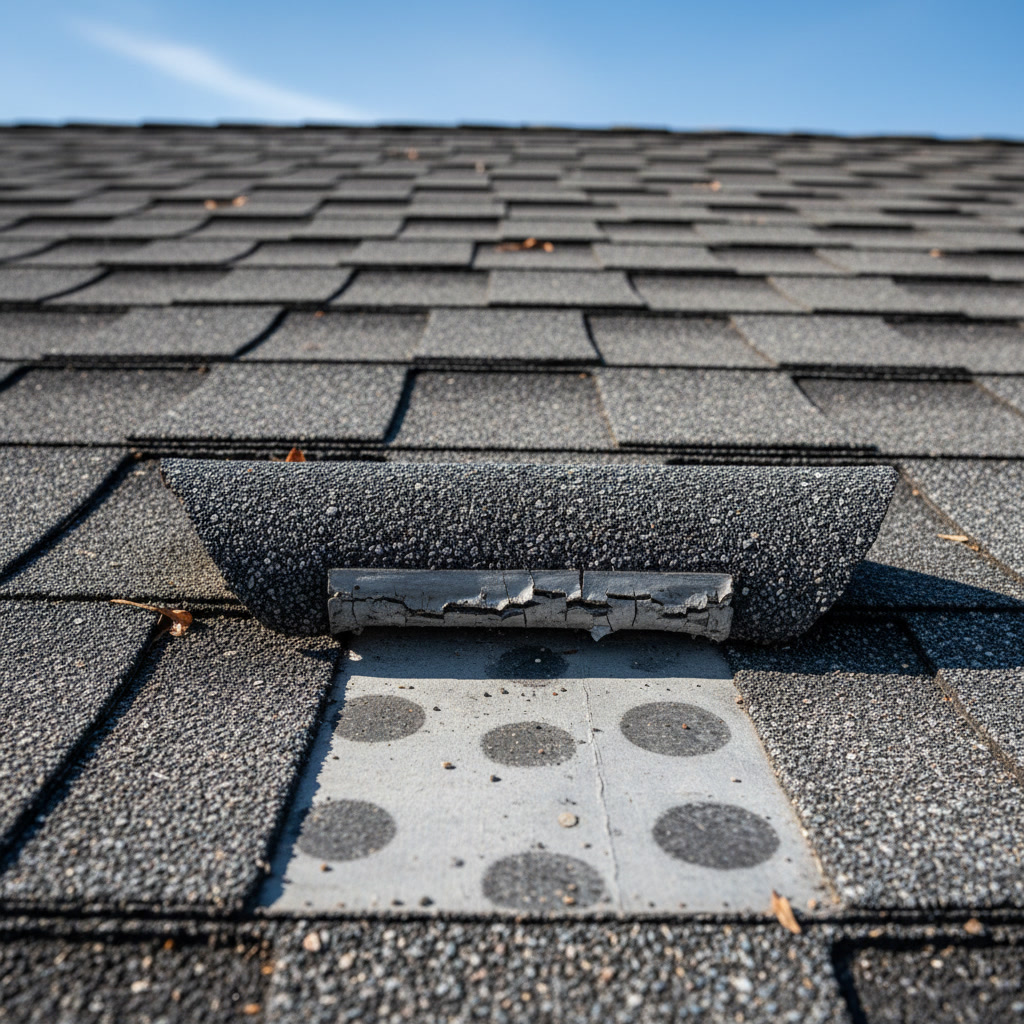
Even properly installed shingles eventually lose their bond as the roof ages. Ultraviolet radiation, thermal cycling, and moisture gradually degrade the adhesive compounds. Shingles that sealed perfectly for 15 years may start lifting as they approach 20 or 25 years of service. This deterioration accelerates when roofs reach the end of their design life.
You’ll notice curling edges and corners first. The shingle edges lose flexibility and begin to cup upward or downward. Once this curling starts, wind can catch the lifted portions more easily. The mechanical fasteners continue holding the center of each shingle, but the unsecured edges flap during windstorms. This movement stresses the fasteners and can tear the shingle material around the nail holes.
Homeowners facing widespread lifting across an aging roof system should consider whether roof repair remains cost-effective or if replacement makes better financial sense. Understanding the signs that indicate replacement rather than repairs helps you make informed decisions about your home’s protection.
Step-by-Step: How Professional Contractors Address Lifting Shingles
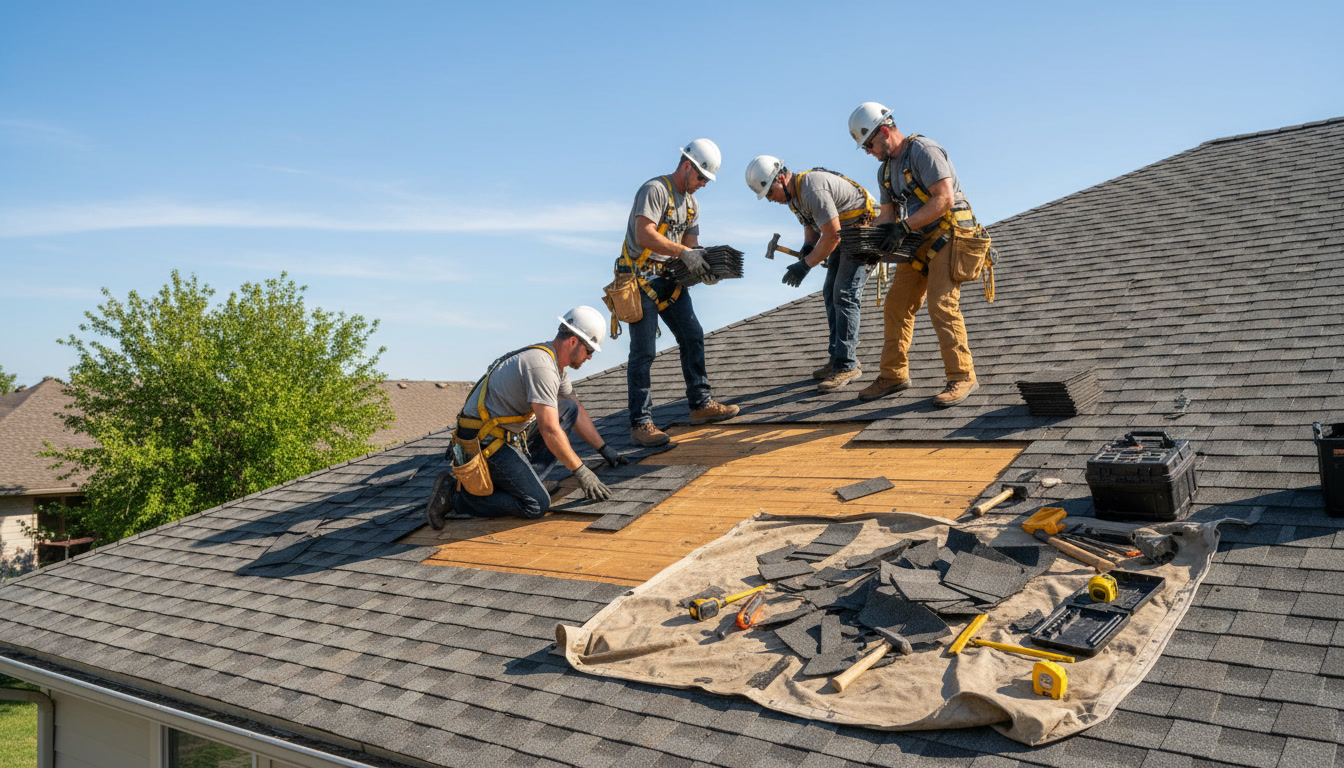
Experienced technicians follow a systematic approach when repairing lifted or blown-off shingles. First, they inspect the affected area and surrounding sections to determine whether the problem stems from installation defects, material failure, or normal aging. This assessment reveals whether isolated repairs will suffice or if broader intervention is needed.
Second, they examine the underlying deck for water damage. Lifted shingles often allow moisture penetration that can rot the plywood or OSB sheathing beneath. Any compromised decking requires replacement before new shingles go down. This step prevents cosmetic repairs that hide structural problems.
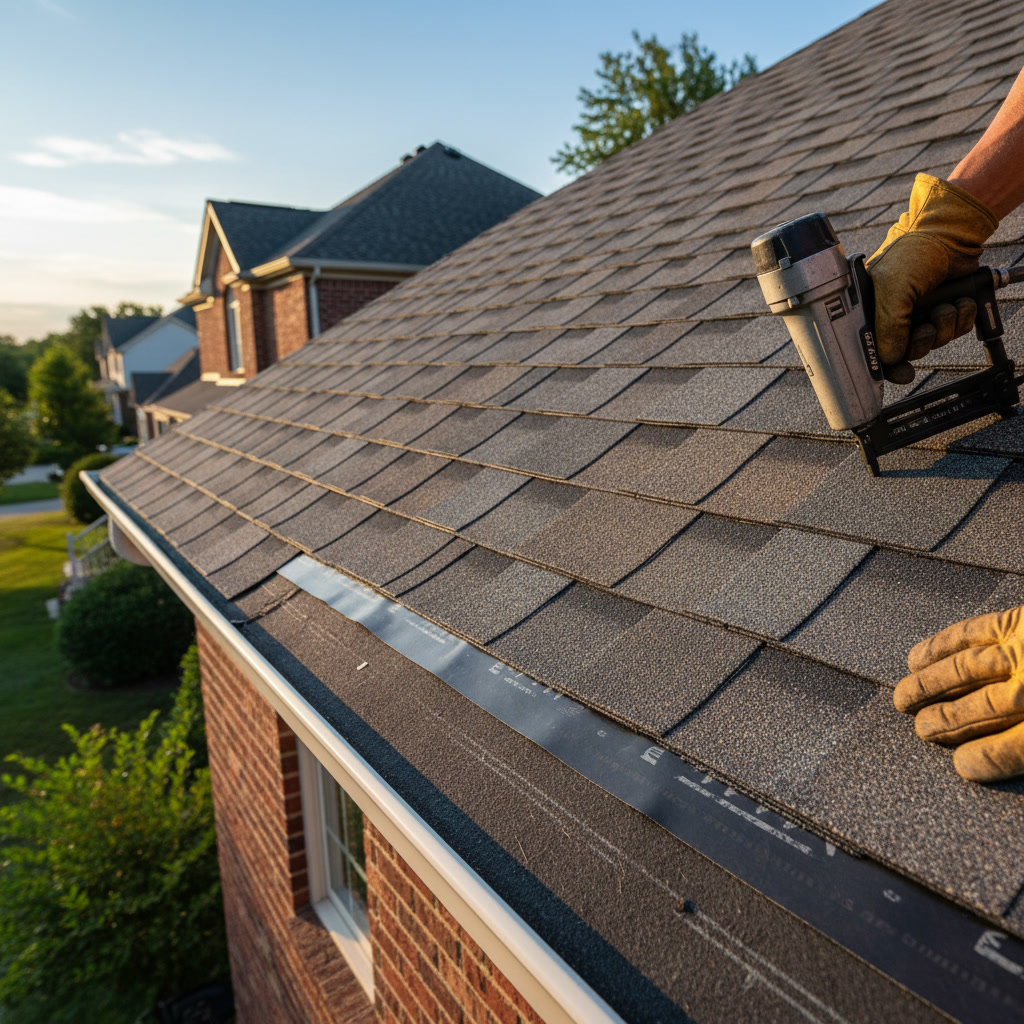
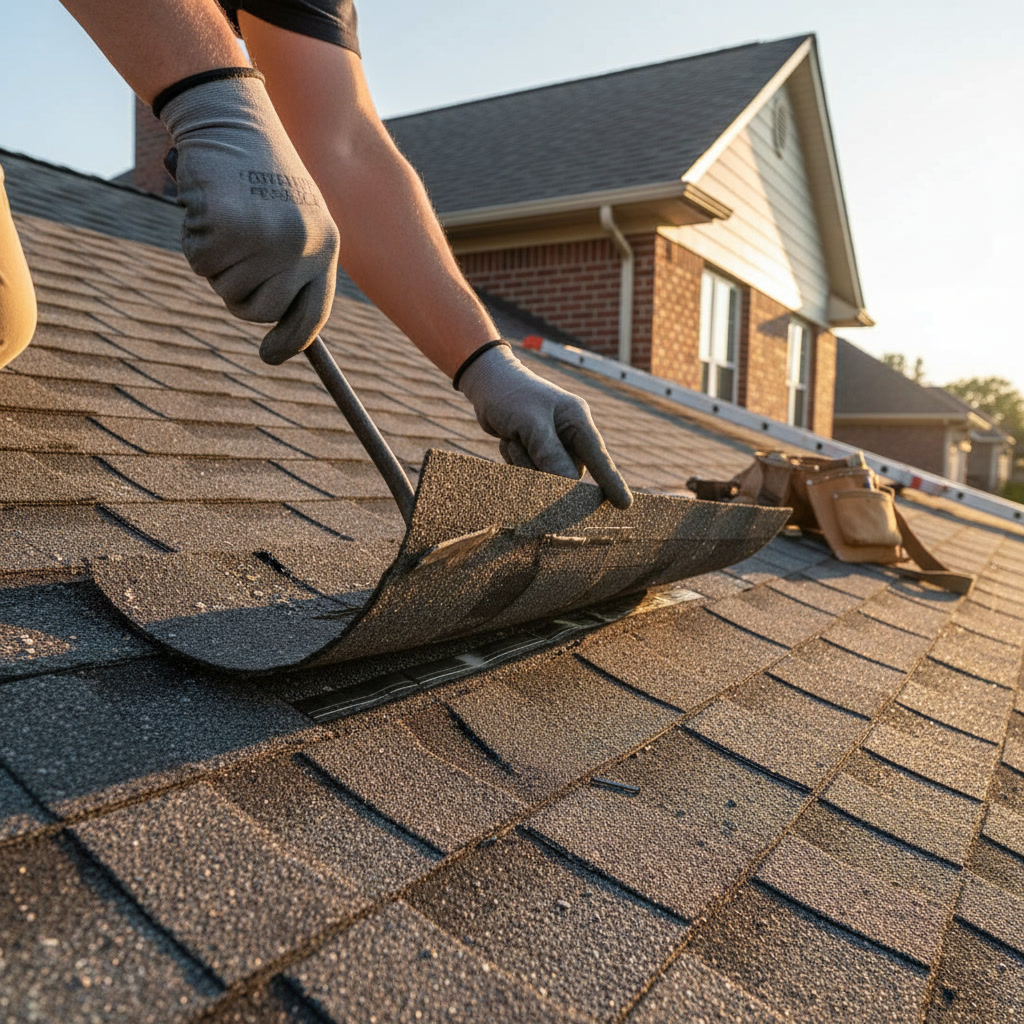
Third, they remove damaged shingles carefully to avoid disturbing surrounding materials. Proper removal techniques preserve the integrity of adjacent shingles and their seals. Fourth, they prepare the surface by cleaning away debris and ensuring a smooth, dry substrate for the replacement shingles.
Fifth, they install new shingles that match the existing roof in color, style, and manufacturer. Matching materials ensures uniform appearance and compatible adhesive chemistry. Sixth, they secure each shingle with the correct number and placement of fasteners according to manufacturer specifications and local building codes.
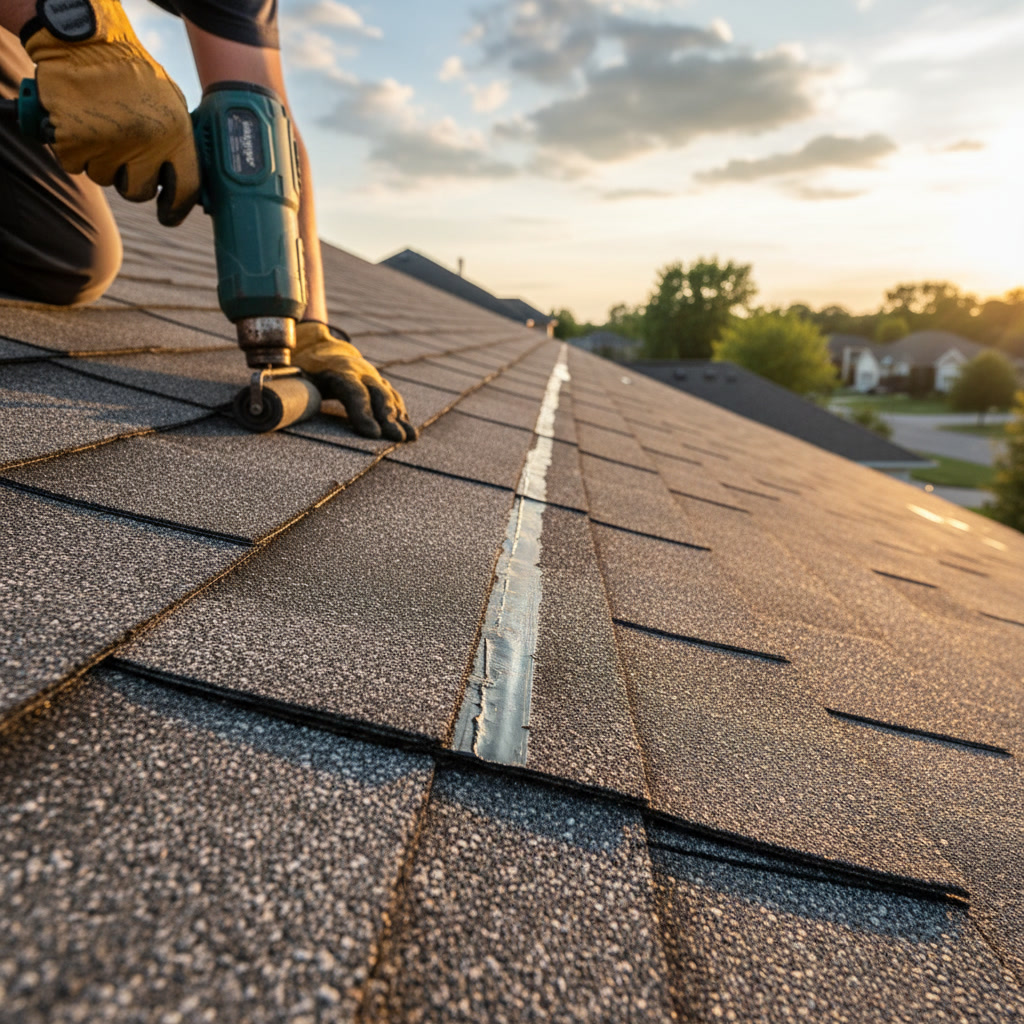
Finally, they apply roofing cement to the adhesive strips if weather conditions won’t allow natural heat activation within a reasonable timeframe. This manual sealing provides immediate wind resistance while the thermally activated adhesive cures over the following weeks.
Preventing Future Sealing Problems
Regular roof inspections catch sealing problems before they escalate into major damage. Professional evaluations every two to three years identify lifted shingles, early curling, and adhesive failure while repairs remain simple and affordable. These inspections should occur in spring after winter weather stress and in fall before storm season arrives.
Maintaining proper attic ventilation extends shingle life and preserves adhesive integrity. Excessive attic heat accelerates shingle aging from below while inadequate ventilation traps moisture that degrades materials. Balanced intake and exhaust ventilation keeps your roof deck at appropriate temperatures year-round.
Tree maintenance also plays a role in shingle longevity. Overhanging branches drop debris that blocks sunlight and prevents adhesive activation. Falling limbs can physically damage shingles and break existing seals. Keeping trees trimmed back from your roofline protects your investment and allows proper heat exposure for sealing.
Why Some Roofs Experience More Lifting Than Others
Roof pitch significantly affects sealing success and long-term performance. Steeper roofs shed water more effectively but experience greater wind uplift forces along the surface. Shallow-pitch roofs allow water to sit longer, potentially degrading adhesive, but face less wind stress. The optimal pitch range of 4:12 to 8:12 balances these factors.
Exposure to prevailing winds determines which roof sections face the greatest stress. Western and southern exposures in our region typically receive more intense sunlight, helping adhesive activation but also accelerating UV degradation. Northern exposures may struggle to generate enough heat for proper sealing, especially during cooler months.
Roof complexity adds vulnerability points. Every valley, dormer, and architectural feature creates turbulence zones where wind speeds increase. These areas require extra attention during installation and more frequent inspection throughout the roof’s service life. The same principles apply to other roofing components, which is why specialized services like gutter installation demand equal precision.
The True Cost of Ignoring Lifted Shingles
A few lifted shingles might seem like a minor cosmetic issue, but the consequences of delay compound quickly. Water infiltration begins immediately once shingles lift enough to expose the underlayment. Even small amounts of moisture can saturate insulation, reducing its thermal performance and creating conditions for mold growth.
Structural damage follows moisture intrusion. Roof decking absorbs water and begins to delaminate or rot. Rafters and trusses can develop wood rot at connection points. Interior ceilings stain and drywall deteriorates. What started as a simple shingle adhesive failure escalates into thousands of dollars in structural repairs.
Insurance complications add another layer of cost. Many homeowners policies require timely maintenance and repairs. If you’ve documented lifted shingles through photos or inspection reports but failed to address them, your insurer may deny claims for subsequent water damage. Prompt attention to minor problems protects both your home and your coverage.
Protecting Your Home With Professional Expertise
Understanding how shingle adhesive works and why it sometimes fails helps you recognize problems early and take appropriate action. The sealing system that protects your home relies on proper installation, quality materials, and favorable conditions during the critical activation period. When any element of this system breaks down, your roof becomes vulnerable to progressive damage.
Regular professional inspections, prompt repairs, and attention to contributing factors like ventilation and tree management extend your roof’s service life and maintain the protective seal across every shingle. The difference between a roof that performs reliably for decades and one that fails prematurely often comes down to these preventive measures and early intervention when problems appear.
Stanley & Sons Roofing brings decades of specialized experience to every roofing project throughout the region. Our certified technicians understand the precise installation techniques that ensure proper shingle sealing and the diagnostic skills to identify why existing roofs develop lifting problems. Whether you’ve noticed lifted shingles after a storm or want a professional assessment of your roof’s condition, our team provides the expertise your home deserves. Call +18562279555 to schedule an inspection and protect your investment with solutions built to last.